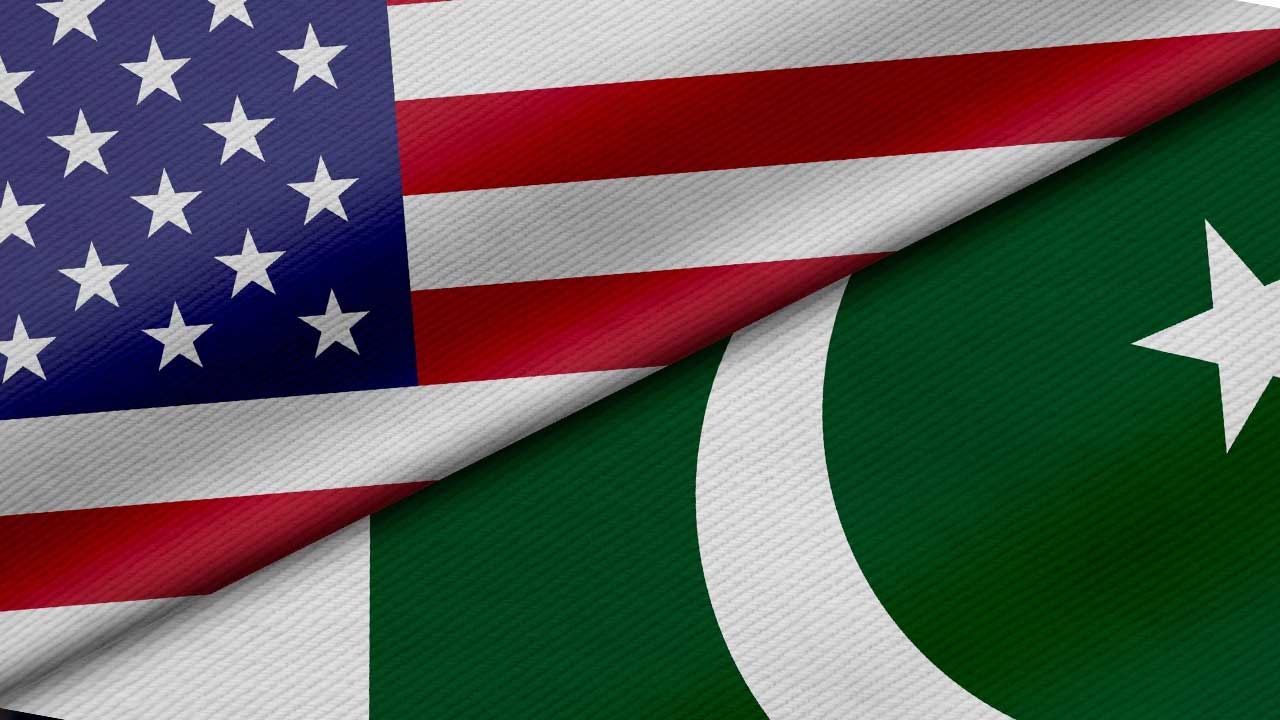
Islamabad, Pakistan: The Frontier Works Organisation (FWO) of Pakistan signed a $500 million framework agreement with U.S. Strategic Metals (USSM), followed by the first shipment of enriched rare earth and critical mineral concentrates to the United States.
Pakistan is shifting to a transactional, resource-focused diplomacy, moving beyond counterterrorism narratives to offer tangible assets, particularly rare-earth elements (REEs).
Geological surveys show potential deposits in Khyber Pakhtunkhwa, Balochistan, and Gilgit-Baltistan, but these are preliminary findings, not proven reserves. The exported concentrates are semi-processed, not fully refined.
China has been central to Pakistan’s rare earth sector, providing mapping, machinery, and processing expertise. Pakistan remains dependent on Chinese technology, making it difficult to scale production independently.
The U.S.-Pakistan deal aims at gradually developing joint refining capacity, but Pakistan lacks the industrial infrastructure, environmental safeguards, and power reliability needed for large-scale operations.
China’s expanded export controls on rare earth elements and processing machinery create a strategic bottleneck, complicating Pakistan’s ability to meet U.S. supply commitments.
The situation exposes Pakistan’s strategic vulnerability: reliance on China limits autonomy, while courting the U.S. could risk Chinese pushback in other investment areas.
Experts argue that unless Pakistan develops domestic refining and separation technologies, its rare earth ambitions will remain fragile and dependent on external powers.
Pakistan is attempting to leverage its rare earth resources to gain strategic relevance with the U.S., but its dependency on Chinese technology and infrastructure limits its autonomy and the effectiveness of this “mineral diplomacy.”