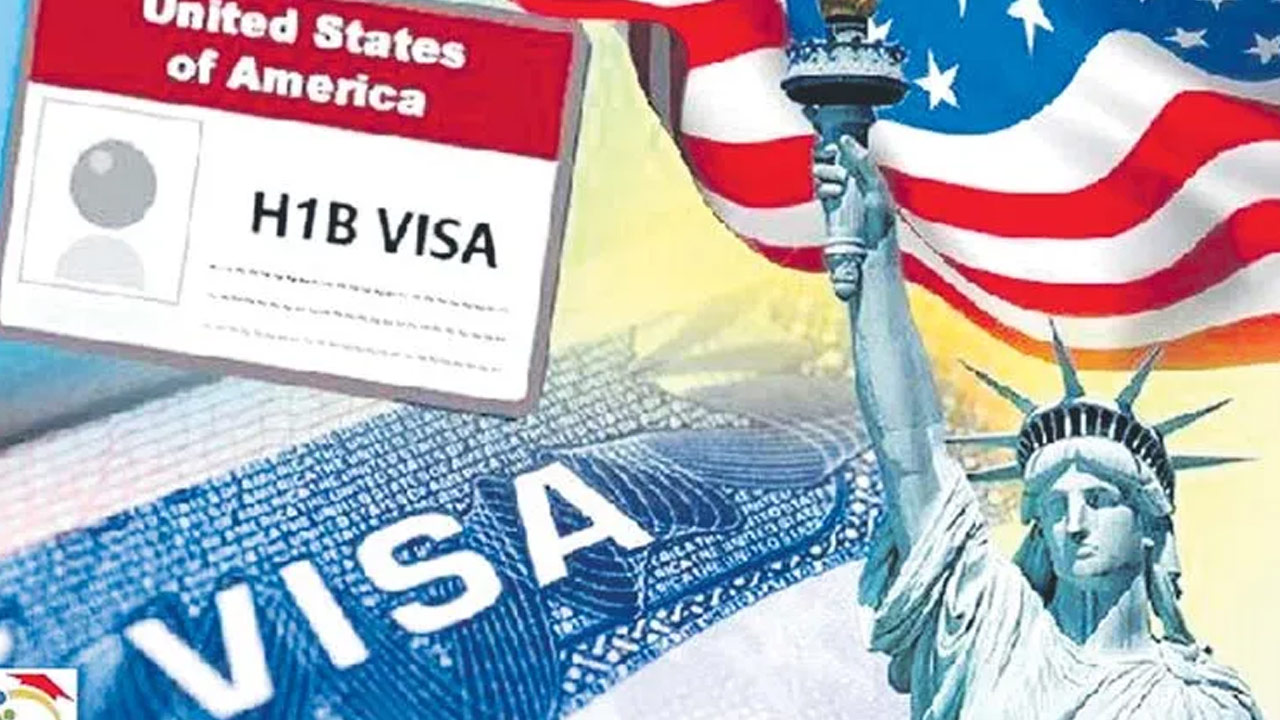
H-1B visas, which are in high demand in the U.S., have become difficult to obtain this year. These visas allow highly skilled professionals to work for extended periods, but multinational companies are facing significant challenges in securing them. Since the Trump administration, strict restrictions have been imposed on issuing H-1B visas, making it harder for companies to hire skilled talent from other countries.
The U.S. has limited H-1B visa issuance to 85,000 applicants globally this year. The visa application process, which started on March 7, will end on March 24. So far, 423,028 applications have been submitted, but reports from the National Foundation for American Policy suggest that over 300,000 applications are likely to be rejected.
According to current regulations, only about 20% of applicants are expected to receive an H-1B visa. Many foreign-born scientists, engineers, and skilled professionals rely on this visa for long-term employment. Forbes reports that the U.S. will lose over 300,000 highly skilled workers due to strict policies, creating serious challenges for companies. Meanwhile, other visas like B1/B2 (visitor visas) and J1 (for summer workers and researchers) have higher approval rates, making them easier to obtain.