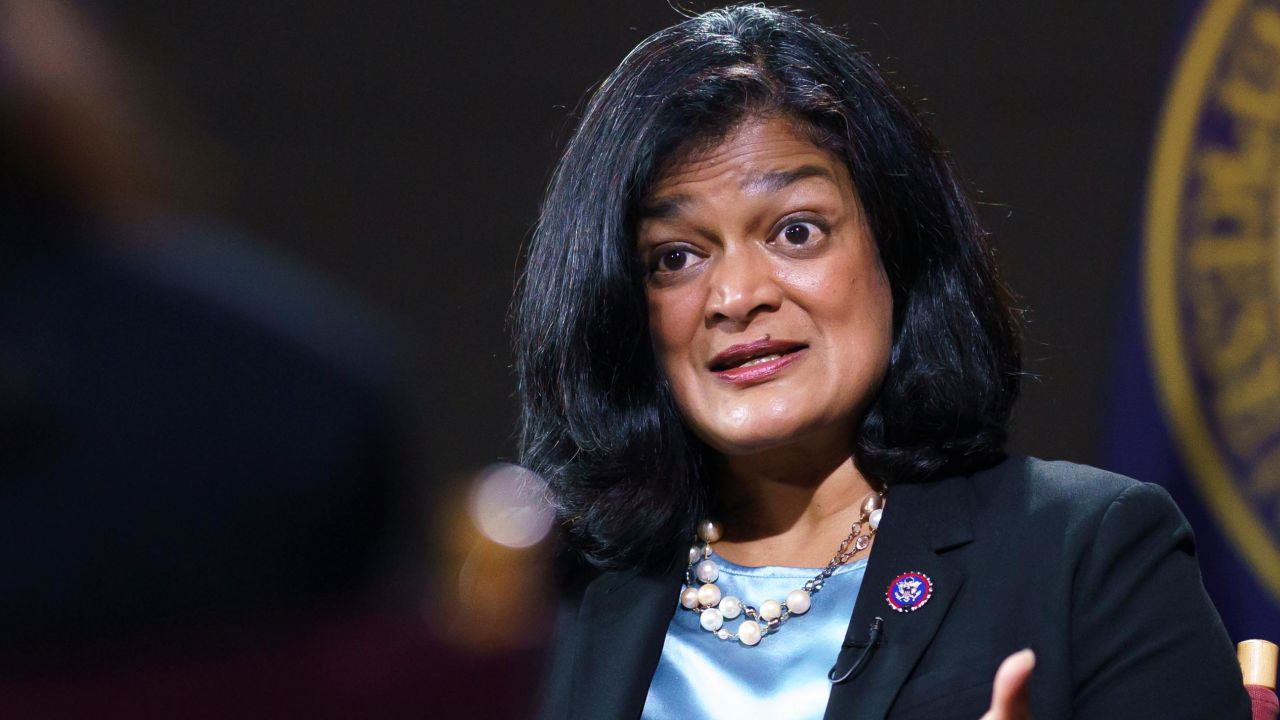
Seattle, Washington, USA: Indian American Congresswoman Pramila Jayapal on December 2nd once again proposed federal legislation aimed at regulating how artificial intelligence is used in critical decision-making across the United States.
The AI Civil Rights Act, reintroduced in the House with Representatives Yvette Clarke, Summer Lee, and Ayanna Pressley, and championed in the Senate by Edward Markey, is designed to prevent AI systems from perpetuating discrimination and to set enforceable standards for algorithms used in areas affecting civil rights, access to essential services, and economic opportunities.
If enacted, the bill would require companies to rigorously test AI tools for bias before and after deployment, undergo independent audits, and increase transparency for automated systems in hiring, housing, lending, healthcare, education, and law enforcement.
Jayapal, a prominent Democratic voice on technology regulation, emphasized that the legislation comes at a critical moment given the rapid proliferation of AI in everyday life and a market projected to reach $244 billion. She noted that biased algorithms have already resulted in individuals being denied jobs or housing based on race or gender and stressed that the bill aims to prevent these inequities from being reinforced by automated systems.
Senator Markey highlighted the importance of balancing technological innovation with moral responsibility, while Representative Clarke, chair of the Congressional Black Caucus, called the legislation essential for protecting Americans’ rights, dignity, and safety. Representatives Lee and Pressley also pointed to evidence that automated systems disproportionately affect Black, Brown, and other marginalized communities.
The renewed legislative push comes amid growing scrutiny of AI systems that influence employment screenings, credit approvals, rental applications, and criminal justice decisions. Studies show that many algorithms reflect historical racial and gender biases due to the data used in their development.
The AI Civil Rights Act aims to create national standards for high-impact AI systems and ensures that individuals have the right to a human review of automated decisions. Analysts warn that without federal guidelines, states may continue to develop inconsistent regulations, allowing companies to bypass accountability by operating across different jurisdictions.
The bill has received support from civil rights, labor, and technology-policy organizations, including the Lawyers’ Committee for Civil Rights Under Law, the Leadership Conference on Civil and Human Rights, AFL-CIO, ACLU, National Urban League, Asian Americans Advancing Justice, Center for AI and Digital Policy, and Color of Change.