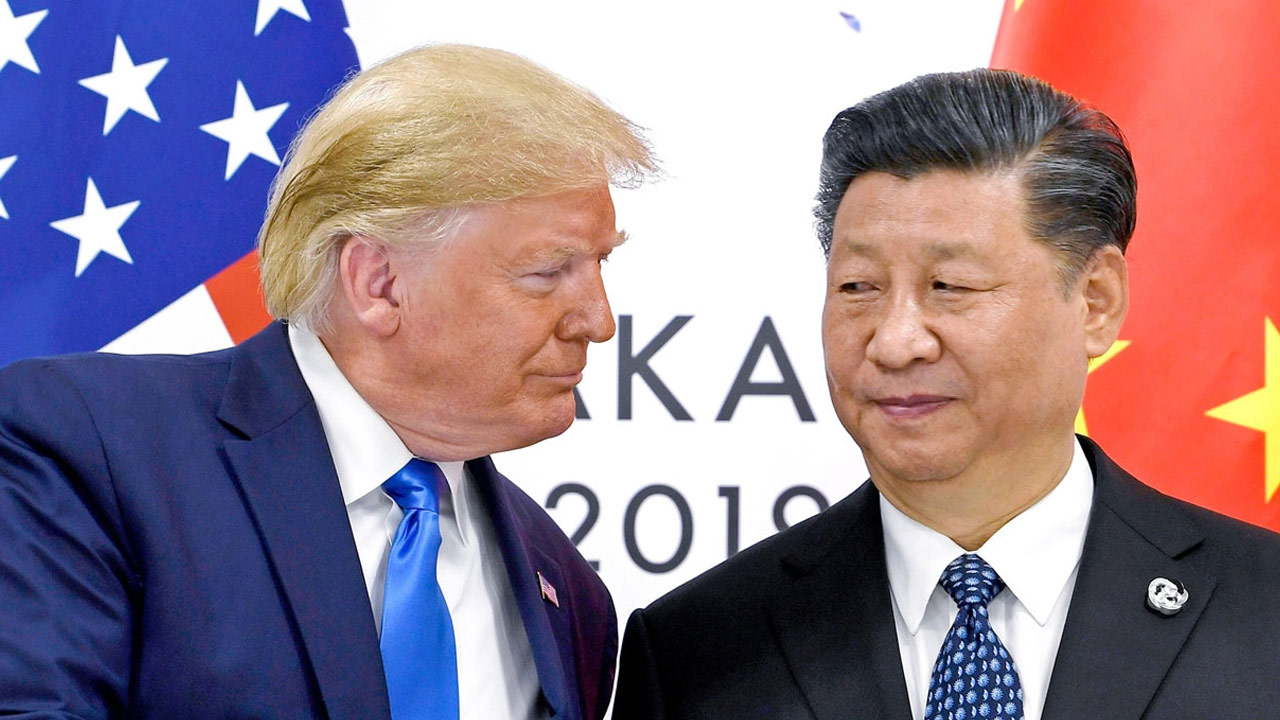
The tariff war between the U.S. and China continues. After taking office, U.S. President Donald Trump imposed a 10% tariff on Chinese products. Now, he has signed an order increasing it to 20%, citing China's failure to curb the illegal trafficking of fentanyl drugs. The White House has officially confirmed this decision.
In response to the U.S. move, Beijing is expected to take similar countermeasures. According to China's Global Times newspaper, China might target American agricultural and food products. Earlier, on February 2, Trump had ordered a 10% tariff on Chinese imports, to which China retaliated by imposing tariffs of 10-15% on U.S. imports starting February 11. Additionally, the U.S. imposed a 25% tariff on imports from Mexico and Canada, prompting those countries to impose equivalent tariffs on U.S. goods.
Trump clarified that there would be no changes to the 25% tariffs on Canadian and Mexican imports. The increased tariffs will take effect from March 4 (U.S. time). Although the initial implementation date was set for February 4, it was postponed by a month at the request of the leaders of both countries. Now, with the deadline ending, Trump confirmed that the tariffs on Mexico and Canada will be enforced starting Tuesday.