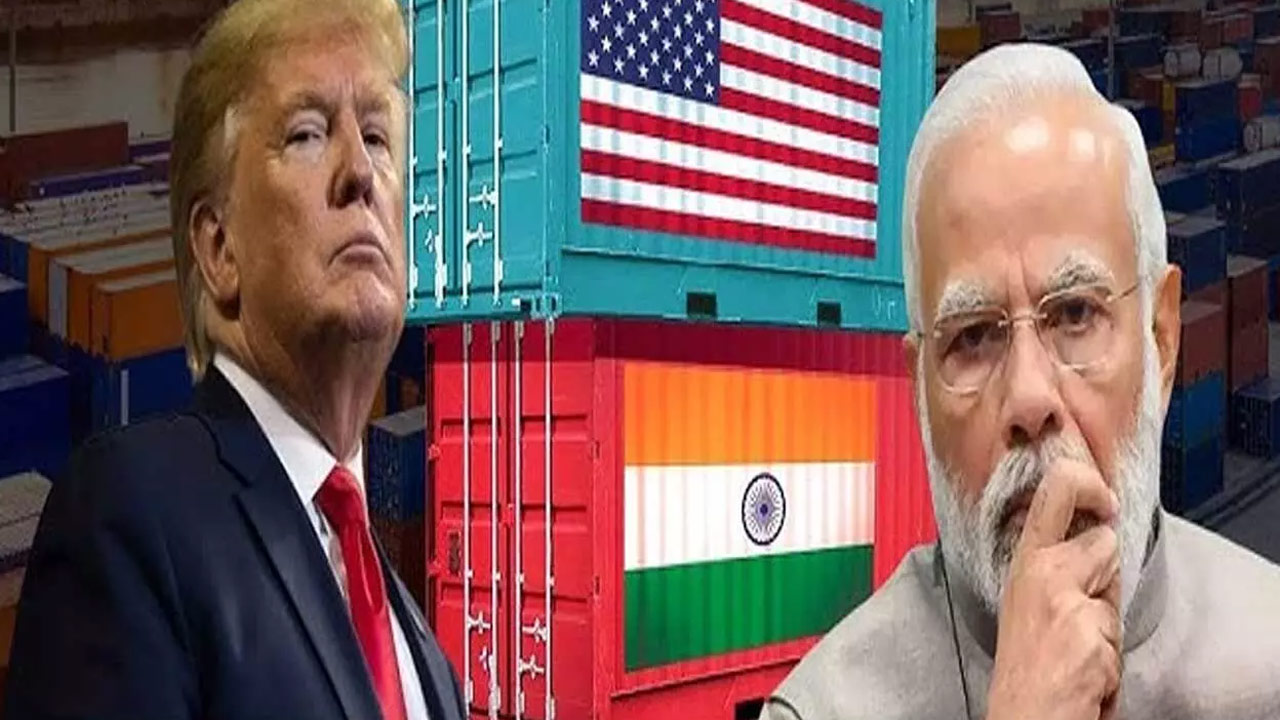
Economic experts and institutions are warning that the United States is heading toward a recession. Even President Trump has hinted at this possibility and acknowledged that a recession might occur. The U.S. Treasury Secretary also stated that implementing Trump's economic policies would continue even if a recession happens. Generally, if GDP remains negative for two consecutive quarters, it is considered a recession. Along with GDP, factors like unemployment, personal income, consumer spending, and industrial production may decline for an extended period, as per the National Bureau of Economic Research Committee.
During the COVID-19 pandemic, the U.S. experienced a recession for two months. Until January, the economic situation in America was stable, but after Trump took office, conditions started changing. His announcement of imposing retaliatory tariffs on imports from other countries led to countermeasures from those nations. This uncertainty caused the U.S. stock market to drop to its lowest level since September. On April 2, Trump announced retaliatory tariffs on Indian goods, leading to foreign investors withdrawing their investments from Indian stock markets, resulting in financial losses.
If a recession occurs in the U.S., it will have both direct and indirect effects on India. Job losses among Indians in the U.S. will reduce remittances flowing into India, putting additional pressure on the Indian Rupee. Exports to the U.S. may decline, and the Indian IT sector could face severe negative impacts. Experts predict that the Indian economy will experience significant disruptions due to the economic downturn in the U.S.