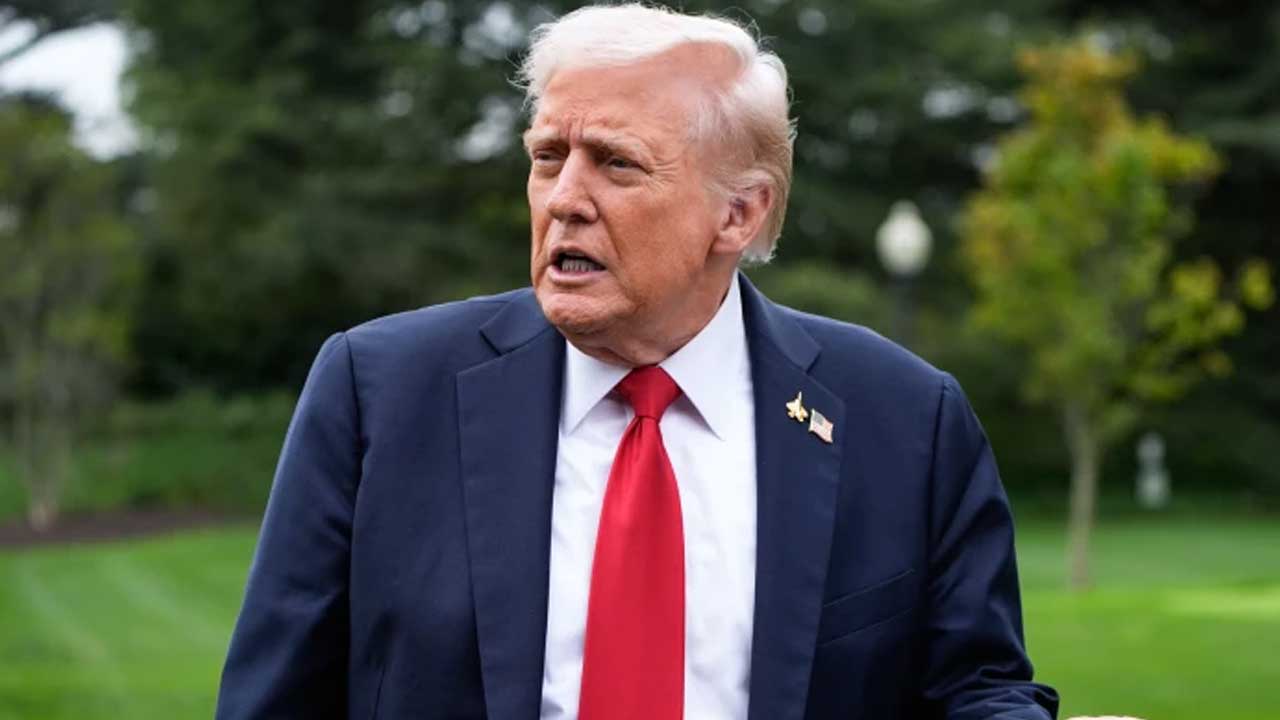
San Francisco, California, USA: A federal lawsuit in San Francisco has challenged US President Donald Trump’s proposed H-1B visa changes, which include a one-time $100,000 application fee. The legal action was filed by a coalition of labour unions, employers, and religious organisations, aiming to block the administration’s directive.
The lawsuit contends that the fee increase is unlawful and represents a major and unprecedented alteration to the H-1B program. It asserts that the president “lacks authority” to impose fees or taxes independently for revenue purposes and cannot “decide how those funds are allocated.”
The Case of Phoenix Doe
Central to the lawsuit is the example of “Plaintiff Phoenix Doe,” described as an Indian postdoctoral researcher living in Northern California. Doe’s cap-exempt H-1B petition has been paused because of the $100,000 fee.
According to court documents, her work focuses on uncovering the genetic and epigenetic factors behind vision loss caused by ageing, diseases such as diabetes, and rare inherited disorders of unknown origin, with the aim of developing new diagnostic and treatment methods for vision impairment.
The lawsuit notes that Doe plays a critical role as her university’s first postdoctoral scholar, helping to establish and expand its research programs and secure future grants. Her work is expected to continue for at least another two years.
The complaint states, “As a result of the Proclamation, the university has indefinitely suspended the processing of her application.”
It continues: “Plaintiff Phoenix is experiencing severe stress and anxiety because of the uncertainty surrounding her position, which worsens her existing PTSD. Without intervention, she will be compelled to leave her postdoctoral position in the US within four months, causing significant professional and personal consequences.”
The legal filing emphasises that the visa fee hike has already disrupted her career trajectory and delayed essential research that could benefit public health in the United States.
The suit explains, “Her potential departure threatens to halt critical research, disturb the lab’s ongoing projects, impede future funding opportunities, and delay the development of treatments for the conditions her studies target.”
Concerns Over Innovation and Impact
The case is backed by the United Auto Workers, the American Association of University Professors, the Justice Action Centre, the Democracy Forward Foundation representing the Global Nurse Force, and multiple faith-based groups.
The plaintiffs also criticise federal agencies, including the Department of Homeland Security’s US Citizenship and Immigration Services and the State Department, for enforcing the order without appropriate rulemaking procedures or assessing its consequences.
The coalition warns that imposing “exorbitant fees will hamper innovation.”
The H-1B visa program allows US companies to employ foreign professionals in specialised fields, particularly in technology. Traditionally, visa sponsorship fees ranged from $2,000 to $5,000. The Trump administration’s policy, however, would prevent new visa holders from entering the country unless their employer pays the $100,000 fee.