Virginia, Richmond: Governor Glenn Youngkin has officially enacted a bipartisan initiative that introduces one of Virginia’s most significant virtual power plant (VPP) pilot projects to date.
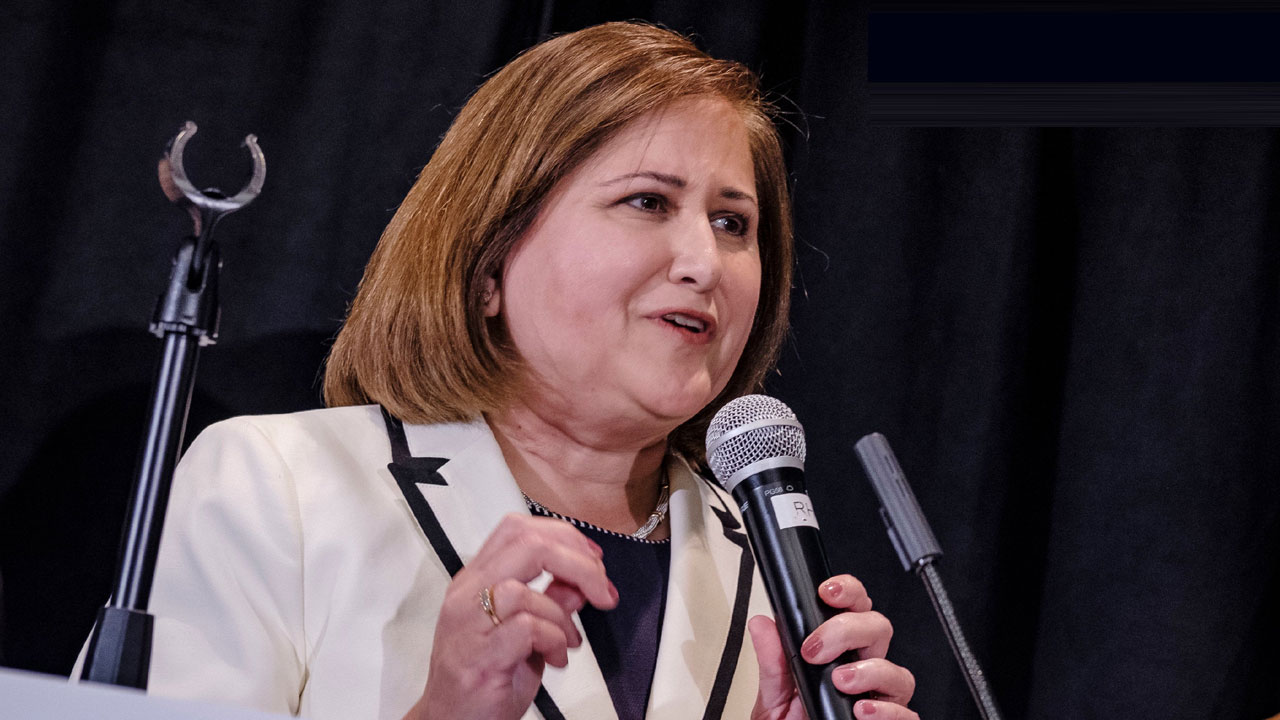
Senator Ghazala Hashmi, a Democrat from Richmond, praised the May 2 signing of this new energy legislation, describing it as a “vital advancement” for boosting the state's power grid stability and making electricity more affordable.
The newly passed law, titled the Community Energy Act, originated in the Senate under Hashmi’s leadership and was championed in the House of Delegates by Phil Hernandez, a Democrat representing Norfolk. This bipartisan legislation sets up a 450-megawatt VPP pilot that will combine distributed energy sources—like rooftop solar systems, home battery units, electric vehicles, and smart thermostats—to reinforce the power grid and cut energy expenses.
“To keep pace with increasing energy needs in both homes and businesses, we must adopt forward-looking approaches like virtual power plants and make strategic investments,” Senator Hashmi emphasized. “This legislation marks a major bipartisan achievement that supports both the stability of our electric grid and the financial well-being of Virginia residents.”
Delegate Hernandez underlined the law’s economic impact, saying, “This is a tremendous benefit for families across Virginia who are facing high energy costs. The law creates the country’s largest VPP pilot, helping us manage electricity demand and lower utility bills at the same time.”
The Community Energy Act (SB1100/HB2346) has been signed into law & will create the largest virtual power plant pilot program in the nation. This technology will benefit rate payers, while enhancing Virginia’s energy resilience & reliability. https://t.co/zmRgyqchyL pic.twitter.com/wikv134OTf
— Senator Hashmi (@SenatorHashmi) May 2, 2025
The pilot initiative is expected to launch by December 2025, with utility providers required to submit proposals for VPP tariffs by November 2026. The State Corporation Commission will then assess the program’s performance and potentially recommend a permanent VPP model by 2028.
Southern Environmental Law Center Staff Attorney Josephus Allmond also praised the act, noting, “With demand for electricity on the rise, this legislation provides immediate clean energy capacity for the grid, while reducing costs for those who participate. This kind of smart, future-focused policymaking is exactly what Virginia needs right now.”
The Community Energy Act is part of the larger Community Access to Renewable Energy (CARE) legislative package. Alongside other bills promoting community solar and decentralized energy production, the package is designed to cut fossil fuel use, decrease energy expenses, and generate clean energy jobs throughout Virginia.