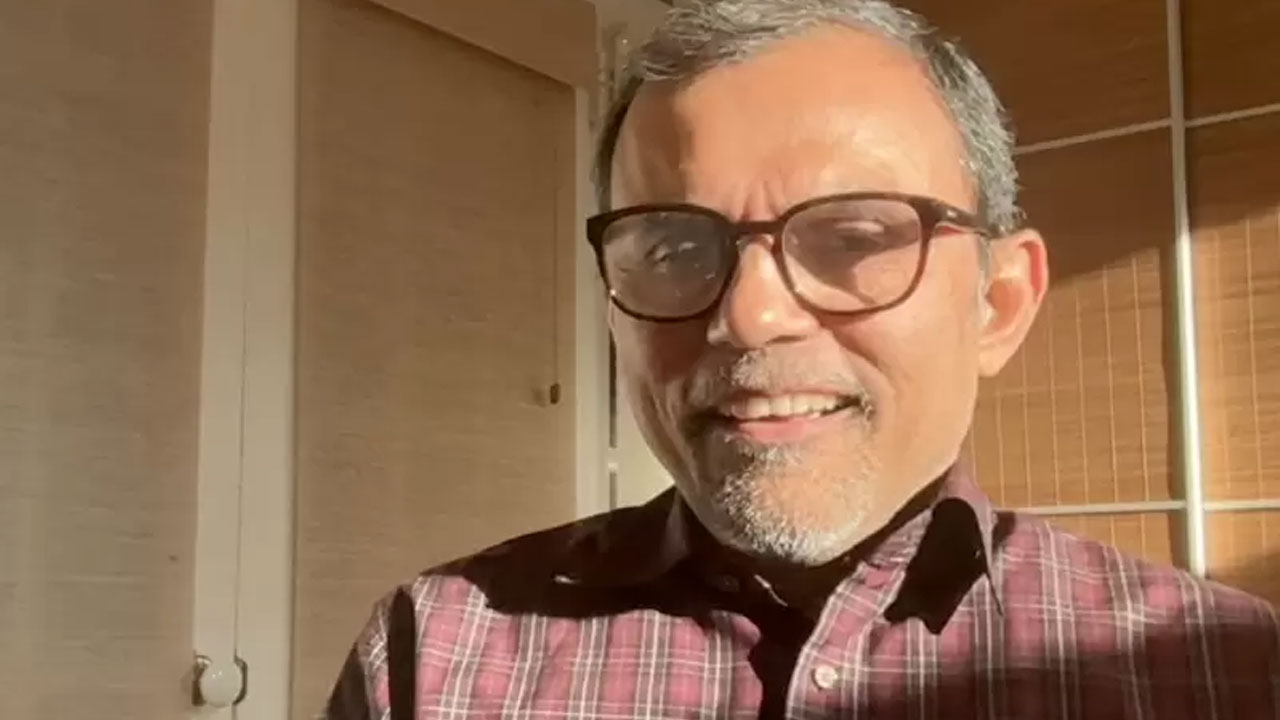
New York City, New York, USA: In an exclusive interview with India Abroad, Mishra—renowned for his book Desis Divided: The Political Lives of South Asian Americans—spoke about what motivated South Asian residents of New York to vote in record numbers, actively engage in political campaigns, and what a Mamdani administration could mean for immigrant communities.
According to The New York Times, voter turnout among South Asians in New York surged by nearly 40% compared to the 2021 mayoral primaries, underscoring their growing influence in city politics.
'Representation matters,' Mishra explained. 'Having a South Asian hold a significant political office is important, but Mamdani’s campaign also went far beyond identity. He focused on key issues like affordability, which deeply resonate with many working-class South Asians.'
He emphasized that a large segment of the South Asian population in New York comes from modest backgrounds. 'People felt connected to a candidate who speaks directly to their daily struggles and aims to improve their quality of life. That energy drove strong enthusiasm for his campaign,' Mishra said.
Mamdani stood out as one of the few candidates who directly addressed former President Donald Trump’s influence, stating publicly, 'I would take on Trump.' Given ongoing immigration enforcement actions and ICE raids, Mishra acknowledged that such positions could bring challenges to Mamdani’s administration.
'It won’t be easy,' he noted. 'Every mayor must cooperate with state authorities, and navigating that relationship is always tricky. But Mamdani has clearly stated his commitment to protecting immigrant communities—especially those who are undocumented yet contribute positively to society.'
When asked how Mamdani could balance immigrant protection with maintaining ties to the federal government, Mishra highlighted the role of local policing.
'The NYPD, as one of the largest police forces in the country, has previously chosen not to collaborate with federal immigration officers,' he said. 'By refusing to assist in detaining or reporting undocumented residents, local authorities create an essential shield. That’s an area where Mamdani’s leadership can make a strong difference.'
Mishra further elaborated that Mamdani’s leadership carries both practical and symbolic importance for South Asians.
'It’s about representation, yes—but it’s also about his broader vision,' he said. 'Mamdani represents a more inclusive America, one that recognizes and values people from every background as part of its identity.'
Born in Uganda, Mamdani immigrated to the United States at the age of seven and became a naturalized citizen in 2018. 'His journey—from being seen as an outsider to emerging as a popular public figure—embodies a version of America that contrasts sharply with Trump’s vision,' Mishra noted.
'While Trump’s politics have often cast suspicion on immigrants and those who don’t fit a narrow definition of being ‘American,’ Mamdani’s message is rooted in openness and belonging,' Mishra added. 'He shows that regardless of one’s class, ethnicity, or religion, everyone has a role in shaping this nation.'
'This moment,' Mishra concluded, 'is especially significant for South Asians and other historically marginalized groups who are finally finding a stronger voice in American politics.'