Quebec, Canada: An Indian family that spent eight years building a life in Quebec has returned to India after Canadian authorities rejected its refugee claim and its attempt to remain in the country on humanitarian grounds.
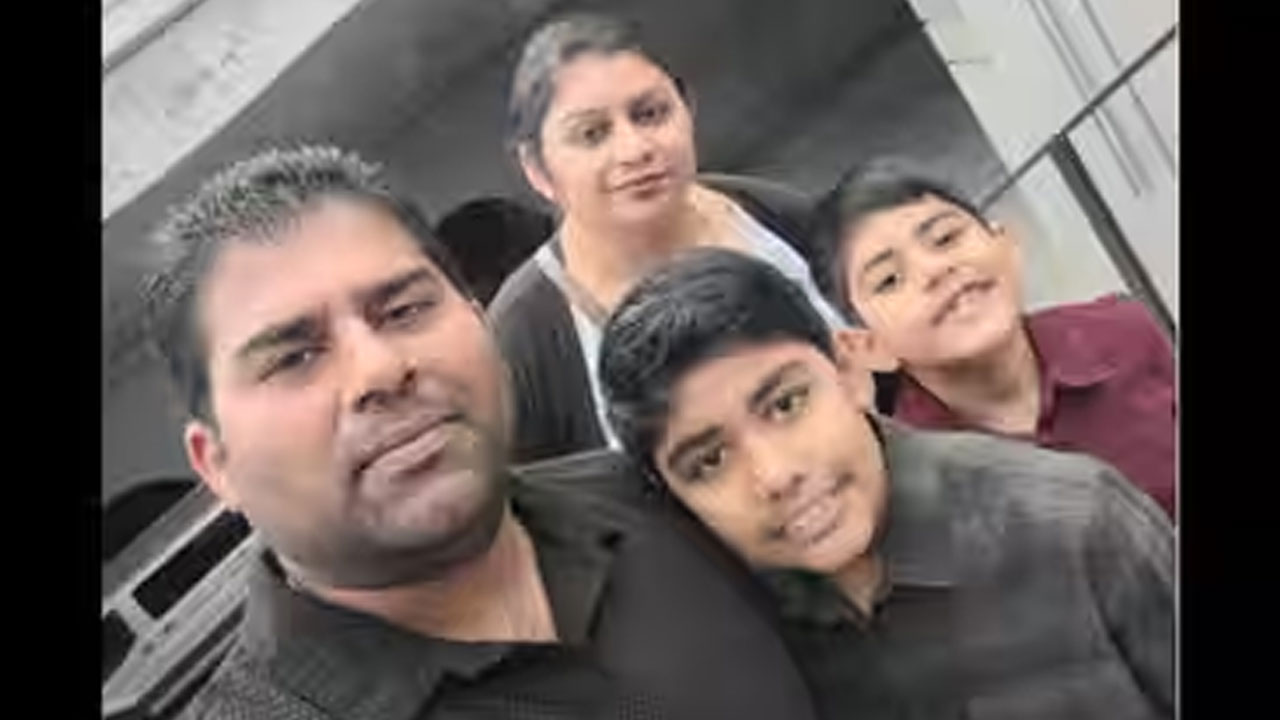
The Kumar family — Harish Kumar, his wife Sonika and their two children, Japesh and Goulash — arrived in Canada in April 2018. Harish Kumar said he had left India because he believed his life was at risk and subsequently sought asylum in Canada.
After several years of legal proceedings, the family was ordered to leave Canada. They boarded a flight to India on September 7.
For the couple’s two sons, the deportation meant leaving behind the only home they have known for most of their lives.
“I grew up here,” 14-year-old Japesh Kumar told CTV News before the family’s departure. “I have friends here ... in India, I have nothing.”
His 12-year-old brother, Goulash, also spent most of his childhood in Quebec and now faces the prospect of starting over in a country he barely knows.
The family was informed on August 4 that its refugee claim had been refused and that it would have to leave Canada by September 7. Kumar said his wife was detained by the Canada Border Services Agency (CBSA) the previous week.
The Immigrant Workers Centre, an organization that advocates for immigrant rights, criticized the deportation. The organization said Harish had worked as a truck driver and continued transporting goods during the COVID-19 pandemic.
The organization argued that migrant workers who were considered essential during the pandemic can still face removal after their claims are rejected.
Mostafa Henaway of the Immigrant Workers Centre also expressed concern about the impact of the deportation on the children, particularly because they had spent years attending school and growing up in Quebec.
He said removing the children after such a long period in the province could have a significant effect on them.
Why was the family removed?
Canadian immigration authorities said removal decisions are not taken lightly and that individuals are removed only after legal avenues that could stop or delay their removal have been exhausted.
The Canada Border Services Agency said people facing removal may, depending on their circumstances, have access to appeals before the Immigration and Refugee Board, judicial review applications before the Federal Court and pre-removal risk assessments.
Under Section 48 of Canada's Immigration and Refugee Protection Act, once a removal order becomes enforceable, the CBSA is required to remove the individual “as soon as possible.”
For the Kumar family, the immigration process continued for about eight years before ending with their return to India.
What happened in India?
Harish Kumar said he left India after being arrested and mistreated by police following his refusal to provide money to people he believed were associated with political groups.
According to a Change.org petition launched before the family's deportation, Kumar previously owned a small grocery store in Goraya City, Punjab. The petition said he was approached for money connected to an election campaign.
The campaign statement alleged that two men arrived at his store on a motorcycle and presented themselves as customers purchasing supplies for a wedding.
According to the statement, the men later positioned their motorcycle across from the shop. Police subsequently arrived with individuals Kumar believed were connected to political groups and accused him of illegally parking the motorcycle.
The petition alleged that police claimed to have found questionable materials on the motorcycle and arrested Kumar.
It further stated that Kumar reported being held in custody from August 12 to August 16, 2017, and alleged that he was mistreated while in detention.
Kumar later sought asylum in Canada, saying he feared for his safety if he remained in India.
After years of legal proceedings in Canada, however, his family's refugee and humanitarian claims were rejected, resulting in their removal from the country and return to India.