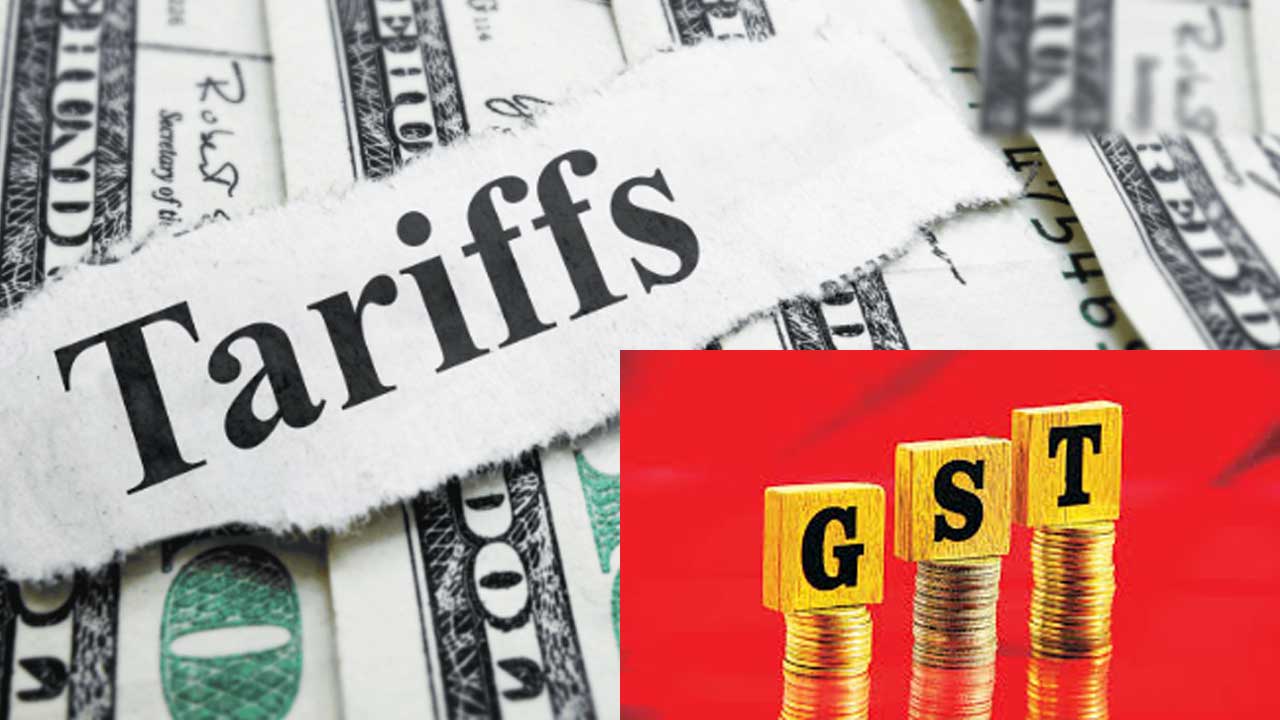
Washington D.C, USA: Indian Americans visiting India in the near future will notice a significant shift — several essential goods are now more affordable.
On September 3, the Indian government announced a major cut in consumption taxes on daily-use products, just days after facing heavy US tariffs. Experts believe the move is intended to stimulate domestic demand.
Finance Minister Nirmala Sitharaman unveiled an overhaul of the Goods and Services Tax (GST) system, reducing India’s complicated four-tier structure to just two slabs. The revised rates include sharp reductions in several sectors, in some cases dropping by more than half.
The revised taxation is expected to lower prices on a wide variety of consumer goods — from basic soap bars to motorcycles — though it may put additional pressure on government finances.
This decision comes shortly after US President Donald Trump levied tariffs of up to 50 percent on Indian exports, sparking concerns about an economic slowdown.
Sitharaman, however, stressed that the GST cuts were not a reaction to the trade dispute. She clarified that the reforms were part of a long-standing plan.
Prime Minister Narendra Modi welcomed the new tax measures, calling them a step forward for both citizens and businesses.
“These sweeping reforms will enhance the quality of life for people while making it easier for entrepreneurs, especially small traders, to operate,” read a statement from his office on social media.
Under the revised GST framework, insurance premiums — including life and health policies — are now tax-free. Taxes on motorcycles and small cars have also been reduced from 28 percent to 18 percent.
In addition, dozens of life-saving medicines have been granted tax exemptions, according to a note released by the Finance Ministry.