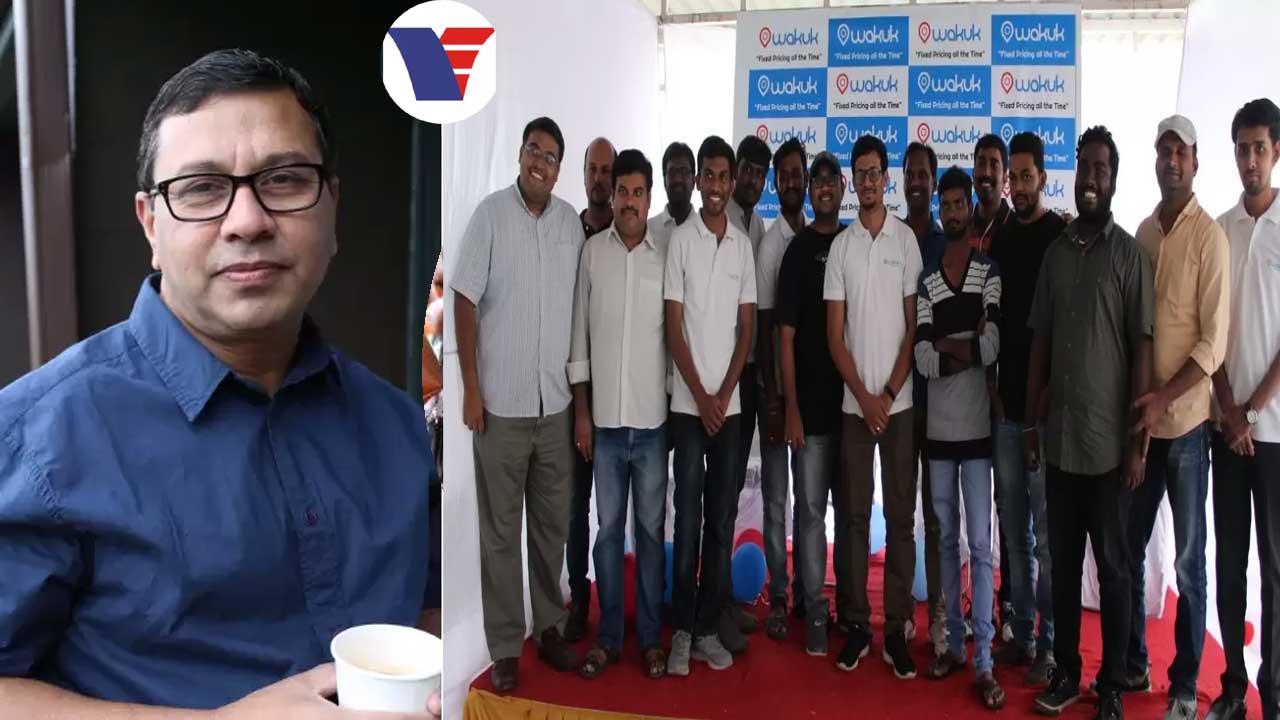
Suburban Maryland, USA: The company believes that small, focused teams—with clear goals and rapid feedback loops—can continue to develop impactful solutions.
A quarter-century after its modest beginnings in Maryland’s suburban tech corridor, V-Empower continues to live up to its name by creating technology designed to empower citizens, governments, and organisations. Established on October 10, 2000, by Hyderabad-born entrepreneur Shukoor Ahmed, the company has evolved significantly: from early civic technology projects linking voters to legislators, to a resilient provider of products and services now exploring video collaboration and artificial intelligence.
When V-Empower first launched, the internet was still an unfamiliar territory for most political campaigns. Fresh out of a master’s program in public policy at American University, Ahmed identified an opportunity to connect elected officials more directly with the people they represented. In 2001, the team introduced StateDemocracy.com, a platform that allowed citizens to find their representatives and communicate with them—well before such tools became widely available. “It connected your address to your congressional and legislative districts, letting you reach out to your elected officials directly,” Ahmed remembered. “We rolled it out when no one else offered anything like it.”
The company’s initial years were marked by experimentation. V-Empower developed IndiaDemocracy.org, a parallel initiative in India that linked citizens with members of Parliament and attracted attention from state leaders. Following that, the company released WebLobbying.com to help organisers launch online grassroots campaigns and created custom web applications for political efforts—tools for voter registration, absentee ballots, and polling information, which were notably used during the 2004 U.S. presidential election. While these tools were innovative and highly user-focused, they required substantial resources, making it difficult to recoup development costs fully.
This challenge led to a strategic shift. “We were investing more than we were earning,” Ahmed explained. “Offering consulting services became a natural next step—and that’s when Microsoft came on board.” Between 2004 and 2009, V-Empower provided guidance on application-layer security and privacy, operating dual teams in Seattle and Hyderabad. Consulting revenue surged, and by 2007, the firm appeared on Maryland’s fast-growth company lists. This pivot didn’t abandon the company’s civic mission; rather, it provided financial stability and strengthened its engineering expertise.
Even as consulting grew, Ahmed’s passion for products remained. In 2008, V-Empower launched a niche platform offering summaries of golf courses, which later saw a modest exit during the financial crisis. “We didn’t generate huge profits,” Ahmed noted, “but we recovered our investment and learned valuable lessons.” The principle of “ship, learn, iterate” stuck, leading V-Empower to alternate between client work that covered costs and product development that looked toward the future.
Currently, V-Empower’s flagship product is MeetHour, a proprietary video conferencing platform competing with giants like Zoom, Teams, and Google Meet. Instead of copying every feature of larger platforms, the company focused on tailored solutions—offering white-label options, customised workflows, and integrations that bigger competitors cannot provide as efficiently, particularly for education, telehealth, and purpose-driven organisations. “Some investors say startups must either go big or shut down within five years,” Ahmed said with a smile. “We’ve stayed lean, kept expenses under control, and built a loyal customer base. That’s our quiet victory.”
V-Empower remains privately funded, a deliberate choice prioritizing control and longevity over rapid growth. Consulting revenue supports product development, while insights from product work inform consulting projects. The team of around 14 engineers, primarily in India with some in the U.S. and Eastern Europe, enables the company to respond to market changes without incurring excessive overhead. Ahmed retains full ownership of V-Empower, while MeetHour now has two partners managing the product roadmap and market strategy.
Looking ahead, Ahmed reflects thoughtfully. “It’s not about the wealth we’ve created,” he said. “It’s about making an impact—building, experimenting, and addressing overlooked problems.” Upcoming initiatives include AI-enhanced tutoring and telehealth services integrated into MeetHour, with a focus on rural hospitals in the U.S. and developing regions. The company is also exploring digital avatars capable of mimicking a user’s voice and interaction style in real-time, redefining virtual presence. “The AI space is evolving rapidly,” Ahmed said. “We’re testing agents that behave like humans—combining our video expertise with AI capabilities.”
At 25 years, V-Empower’s approach is neither boastful nor defensive; it is measured. Ahmed openly admits to missed opportunities and acknowledges that some early products were ahead of their time. Yet, the company has created tangible value: tools that strengthened democratic engagement, consulting services that enhanced privacy and security, and products that generated employment, upskilled employees, and fostered new entrepreneurs among alumni. While the first 25 years were about connecting citizens with campaigns, the future is focused on linking humans and technology—without losing sight of real-world problems that justify innovation.
Ultimately, V-Empower’s story emphasizes enduring intent over perfect timing: tackle meaningful problems, collaborate widely, and honor commitments to clients and communities. The company believes small, agile teams with clear goals and tight feedback loops can continue producing meaningful products, “fill gaps,” and reward effort fairly. After 25 years, that philosophy continues to drive the firm forward.