The Centers for Disease Control and Prevention (CDC) had earlier advised that individuals six months and older receive updated COVID-19 vaccines. However, U.S. health authorities announced on May 27 that the CDC is no longer recommending regular COVID-19 vaccinations for pregnant women and otherwise healthy children.
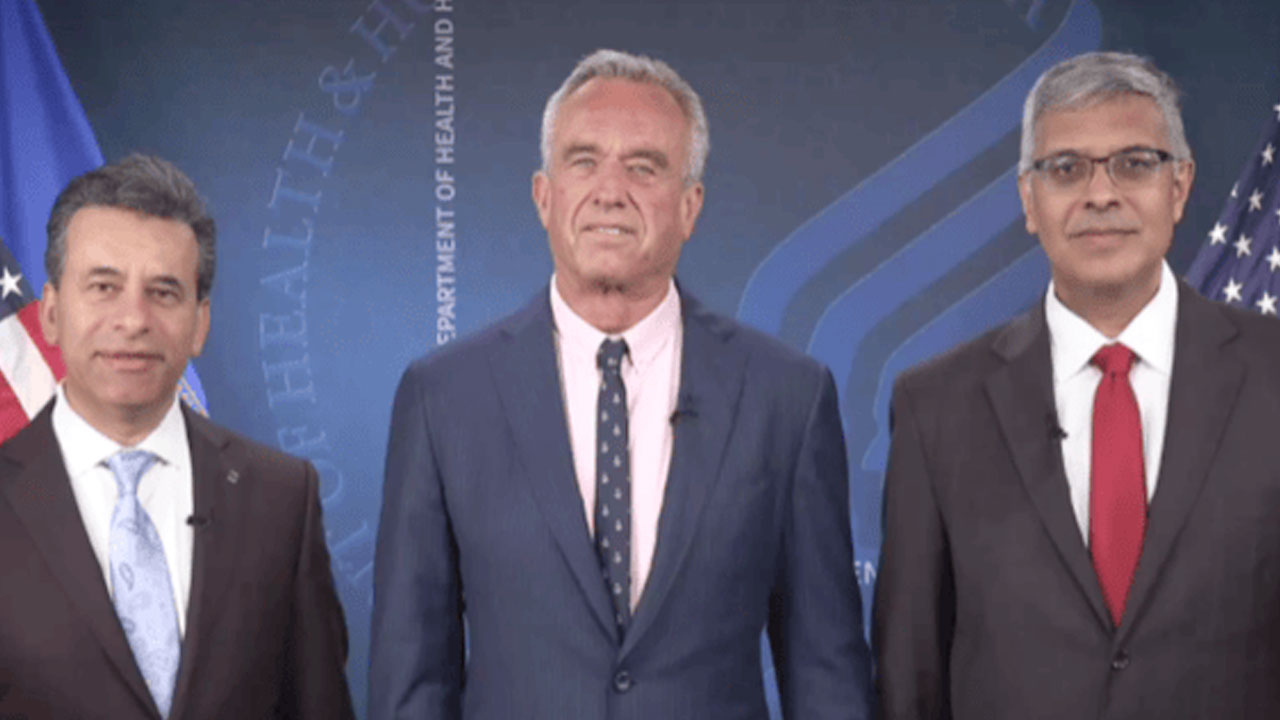
Health Secretary Robert F. Kennedy Jr. shared the update through a video on the social media platform X, noting that the CDC’s recommended immunization schedule no longer includes these groups.
Dr. Jay Bhattacharya, an Indian American who leads the National Institutes of Health (NIH), praised the policy shift, describing it as "a sensible and science-based decision." Bhattacharya, who became known during the COVID-19 outbreak for his opposition to mask mandates, school closures, and lockdowns, has long questioned mainstream public health policies.
Kennedy, who oversees the CDC, has been reshaping the U.S. healthcare framework in line with former President Donald Trump’s agenda to scale back federal government operations.
"This is another milestone in fulfilling the President's vision to Make America Healthy Again," Kennedy stated.
While the CDC had supported COVID vaccinations for everyone over six months of age, its website also emphasizes that data from global studies involving large populations confirm the safety and benefits of getting vaccinated before and during pregnancy, both for the mother and the baby.
Despite this, FDA Commissioner Marty Makary said in the same video that there is no compelling evidence to justify routine COVID vaccinations for healthy children. He noted that many other nations have similarly moved away from recommending these shots for kids.
“With the pandemic behind us, it’s time to take the next step,” the Department of Health and Human Services said in a release.
Both Moderna and Pfizer, manufacturers of COVID-19 vaccines, have yet to issue responses to the updated guidance.
This policy shift follows the FDA’s recent announcement that future approvals of annual COVID-19 boosters for healthy individuals under 65 will require fresh clinical trials, effectively reserving the boosters for seniors and people with a higher risk of serious illness.