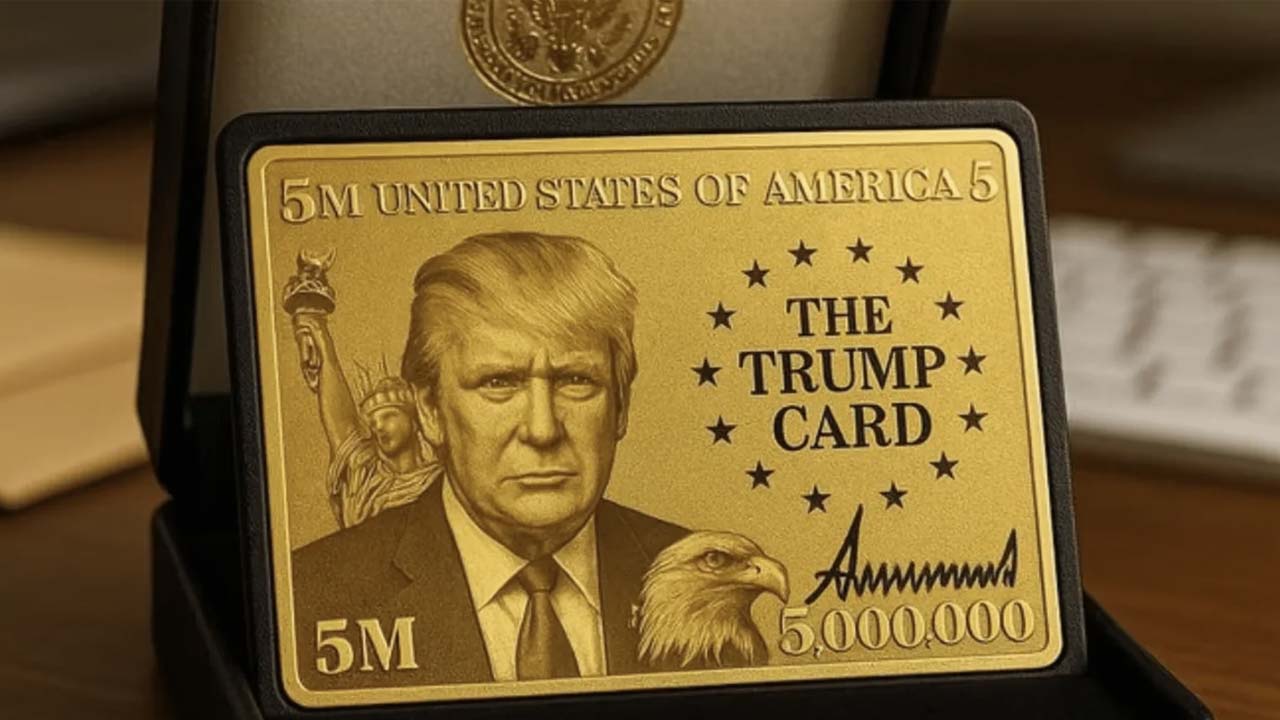
The Trump Gold Card, a fast-tracked path to U.S. citizenship for the ultra-wealthy, has sparked widespread controversy. Citizenship for a $5 million investment has already drawn 70,000 applicants since its launch on May 12, according to White House insiders. The program, introduced as a strategy to reduce the nation’s $36 trillion debt, is generating both interest and debate.
Applicants must register on the official site, trumpcard.gov, providing personal details such as name, religion, and address. The card features Donald Trump's portrait, his signature, the American flag, the Statue of Liberty, and a bold $5 million mark.
The scheme, aimed at affluent individuals from eight regions including Asia, Africa, and Europe, mirrors the EB-5 visa model, which requires a much lower investment ranging from $800,000 to $1.8 million. Officials estimate the issuance of 200,000 gold cards could bring in $1 trillion in revenue.
While supporters hail it as a bold economic solution, critics are raising red flags about fairness, transparency, and the ethical implications of tying citizenship to wealth.