San Francisco, California, USA: Panic Among Indian H-1B Travelers as $100k Visa Fee Sparks Flight Chaos in US
A sudden wave of fear spread among Indian H-1B visa holders and applicants across the United States on Saturday after President Donald Trump announced a proclamation that imposed a massive USD 100,000 fee on H-1B visa petitions. The announcement led to chaos at several airports, with one major incident reported at San Francisco International Airport.
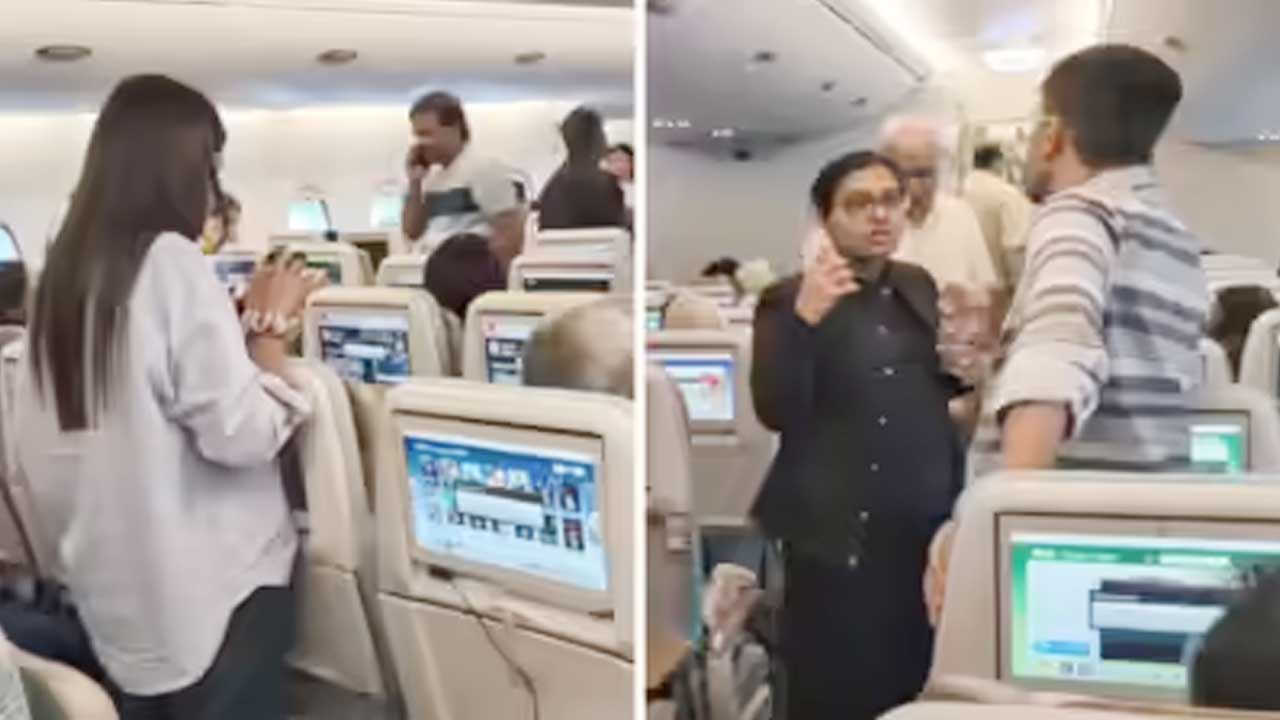
According to reports, a group of Indian passengers abruptly stepped off an Emirates flight just before departure, worried that if they left the US, they might not be allowed back in. The unexpected exits delayed the flight for more than three hours as airport staff tried to manage the situation.
Social Media Videos Capture the Panic
Clips circulating on X (formerly Twitter) and Instagram showed a cabin full of Indian travelers reacting anxiously once the news of the new H-1B visa rule spread mid-flight. Though the videos have not been independently verified, they went viral online.
One user on X described: “An international flight from the Bay Area packed with Indians traveling for Durga Puja had boarded and was ready for departure. The moment passengers heard about the new H-1B visa rules, panic broke out, and several pleaded to be allowed off the plane.”
US Companies Advise Caution
The announcement has left the Indian community in the US deeply unsettled. Reports suggest that several major American corporations — including Microsoft, Amazon, and JP Morgan — have advised their employees on H-1B visas to either return to the US before September 21 or avoid any international trips to prevent complications related to re-entry.
Sharp Fee Hike from Current Levels
Up until now, the filing fee for an H-1B visa petition typically ranged between USD 2,000 and USD 5,000, depending on the employer’s size and other conditions. Under Trump’s directive, that amount has been raised to an unprecedented USD 100,000 for new applications.
Experts have warned that this decision could severely impact Indian professionals and tech companies that rely heavily on the H-1B program. The visa, widely used by Indian IT workers, is usually granted for three years and can be extended for another three years.