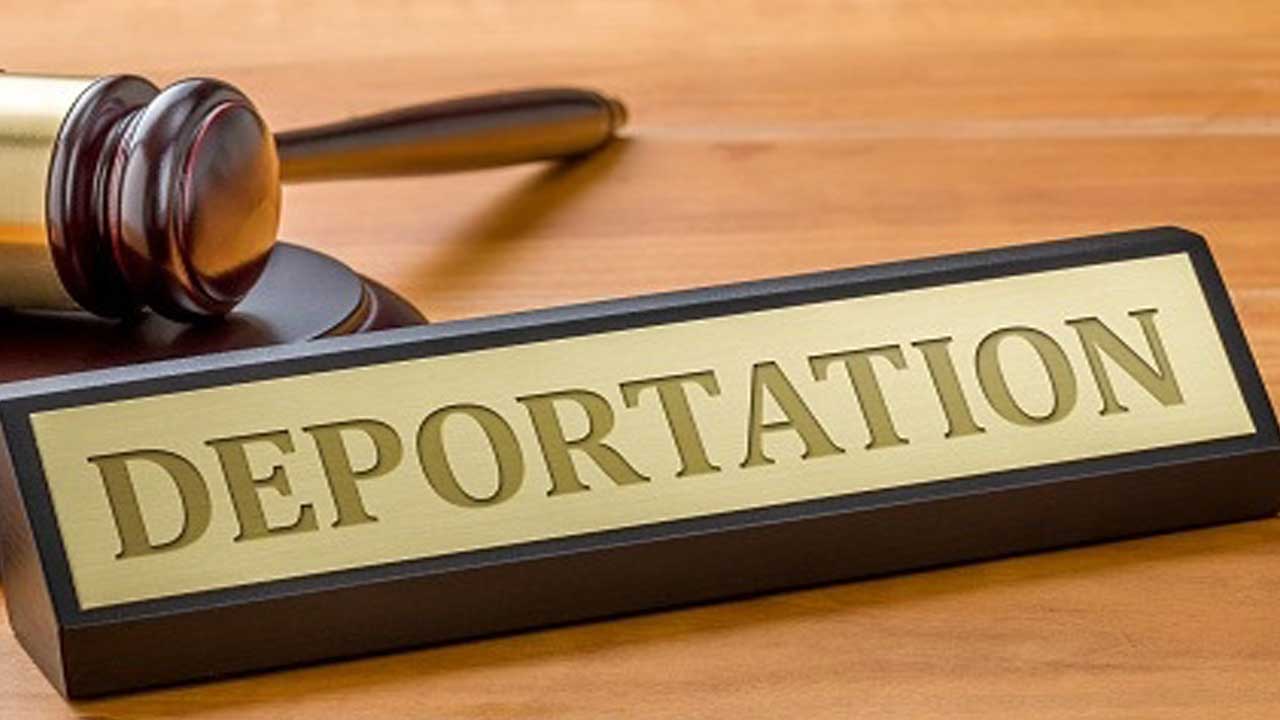
Auckland, New Zealand: The New Zealand government has ordered the deportation of 18-year-old Navjot Singh to India, citing his lack of legal status in the country — even though he was born and brought up in New Zealand and has never left its borders. The situation arises from a 2006 legal change that abolished birthright citizenship, declaring that children born in New Zealand to parents without valid immigration status are not citizens.
Navjot was born in Auckland in 2007 to Indian-origin parents who overstayed their visas. His father was deported just five days after Navjot’s birth, while his mother lost her immigration status in 2012 when he was five. Navjot discovered his precarious legal standing at age eight, realising he had no access to education, healthcare, or other basic rights. Despite his uncertain status, he considers New Zealand his only home and fears being sent to India — a country he’s never visited. “I don’t even speak Hindi,” he said, adding that he’s worried about survival in India, where even highly educated people struggle to find jobs.
Navjot’s recent appeal for residency through ministerial intervention was rejected by Associate Immigration Minister Chris Penk, according to RNZ. His lawyer, Alastair McClymont, criticised the decision as “inhumane” and urged the government to take a more compassionate approach. “It’s unreasonable to send young people who’ve grown up here to a country they don’t know,” McClymont told RNZ. He also suggested that New Zealand’s immigration rules should align with those of Australia and the United Kingdom, where children automatically qualify for citizenship after residing for 10 years.
Community groups have rallied in Navjot’s support. Daljit Singh, President of the Supreme Sikh Society, said the young man should be allowed to stay. “He was born here and is an integral part of our community,” he told RNZ.
A spokesperson for Immigration Minister Erica Stanford stated that there are currently no policy discussions regarding individuals born in New Zealand after 2006 to parents without legal immigration status. However, they confirmed that such cases may still be reviewed by the Immigration Protection Tribunal or considered for ministerial intervention on a case-by-case basis.