Washington, DC, USA: India-US Relationship at Its Lowest Point in 2025, Still Driven by Transactions: Analyst
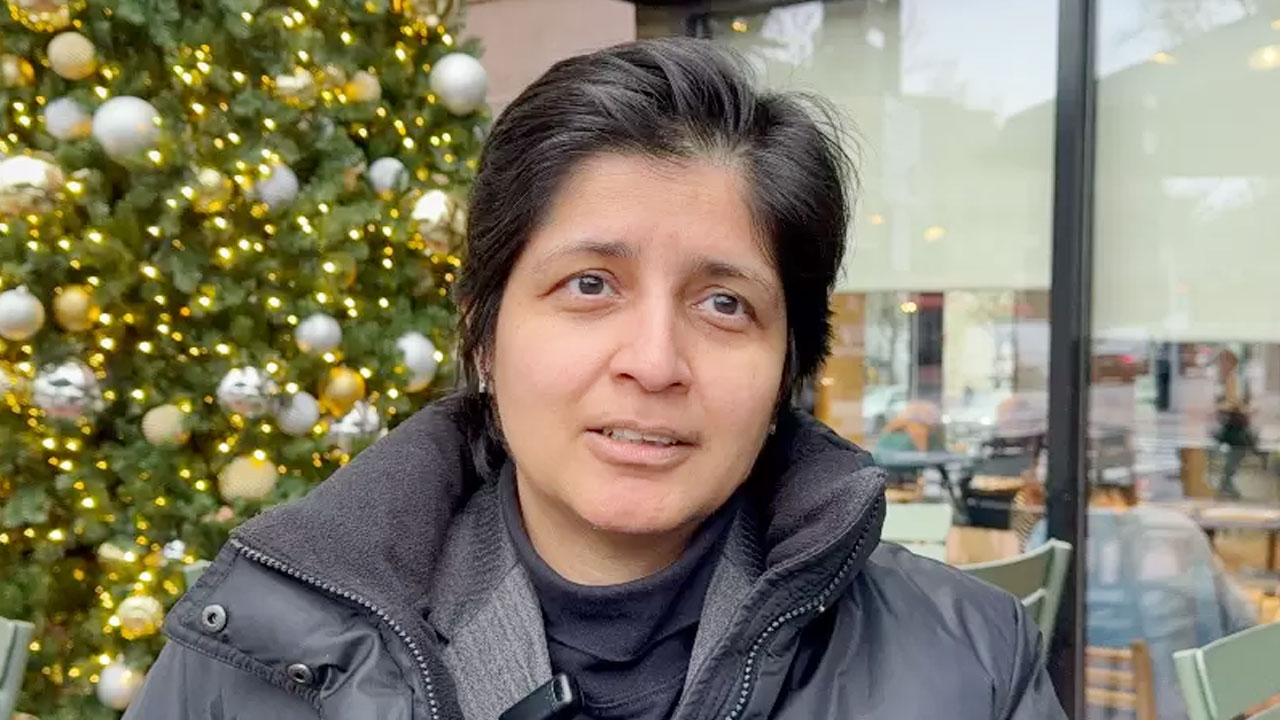
Despite a slowdown at the diplomatic leadership level, cooperation between India and the United States continues in functional and operational areas, according to policy expert Aparna Pande.
Bilateral relations between India and the United States have entered one of their most difficult phases in recent history during 2025, with the partnership losing strategic depth and being reduced largely to issue-by-issue dealings under the Trump administration, a senior South Asia specialist has said.
Aparna Pande, senior fellow at the Hudson Institute, described the current phase as unusually strained while speaking in an interview with IANS. She said the relationship has declined to a point rarely seen in past decades. According to her, this period represents one of the lowest moments in modern India-US engagement.
While acknowledging the sharp downturn, Pande said the situation also offers a limited opportunity. She noted that the relationship has little room to worsen further, meaning future movement is more likely to be upward. However, she warned that improvement will not be immediate and could take a significant amount of time, potentially stretching across several years.
Pande explained that the future trajectory of the relationship depends heavily on Washington’s overall approach toward New Delhi. She said progress would hinge on whether the United States chooses to treat India as a long-term strategic partner or continues to interact primarily through short-term, transactional calculations.
When asked about the Trump administration’s current perception of India, Pande said the administration applies a similar transactional mindset to most global relationships. She observed that broader strategic thinking has taken a back seat, with tactical gains and immediate benefits driving policy decisions, including those involving India.
“At present, the engagement lacks a strategic framework,” she said, adding that the relationship is being handled more as a tactical arrangement rather than a comprehensive partnership.
According to Pande, the year began with considerable optimism following a high-profile meeting between Prime Minister Narendra Modi and President Donald Trump in February. She recalled that the summit built upon more than three decades of cooperation and raised expectations for deeper collaboration.
However, she said that the initial momentum faded quickly. Trade-related disputes, she noted, became a major stumbling block. Pande pointed to tariff measures introduced by the Trump administration, including duties as high as 50 percent on Indian goods, as a clear sign of stalled negotiations and the absence of a finalized trade agreement.
Despite these challenges at the political level, Pande emphasized that routine cooperation between the two countries has not broken down. She said engagement continues in areas such as disaster response, humanitarian assistance, counterterrorism coordination, and other institutional interactions.
At the same time, she observed that high-level diplomatic engagement has largely remained inactive, creating a visible gap between operational cooperation and political leadership.
On trade tensions, Pande noted that many of the issues currently under discussion are not new. She said similar disagreements have existed for decades, and earlier US administrations recognized that economic engagement with India would involve structural challenges.
What distinguishes the current phase, she said, is the administration’s heavy focus on tariffs and trade imbalances. This narrow emphasis, she argued, has prevented broader progress on a comprehensive trade agreement.
Pande revealed that India has already submitted a detailed trade proposal to the United States. She said the final outcome will depend on whether President Trump believes the proposal delivers maximum benefit from his perspective.
She also pointed out that Pakistan has again become a relevant factor in US-India relations, along with trade disputes and India’s relationship with Russia. Pande said Pakistan has historically managed to maintain relevance in Washington, and the current administration appears to believe it can extract limited value from Islamabad.
However, she stressed that this relationship has inherent constraints. According to Pande, cooperation between the United States and Pakistan is unlikely to expand beyond areas such as counterterrorism, internal security, and selective economic engagement. She rejected comparisons to Cold War-era alliances.
Looking ahead to 2026, Pande expressed cautious optimism while acknowledging global uncertainty. She said meaningful progress would ideally include a finalized trade agreement, another summit between national leaders, and continued economic reforms in India. These reforms, she added, could involve labor policies, insurance regulations, and potential changes to the nuclear liability framework.