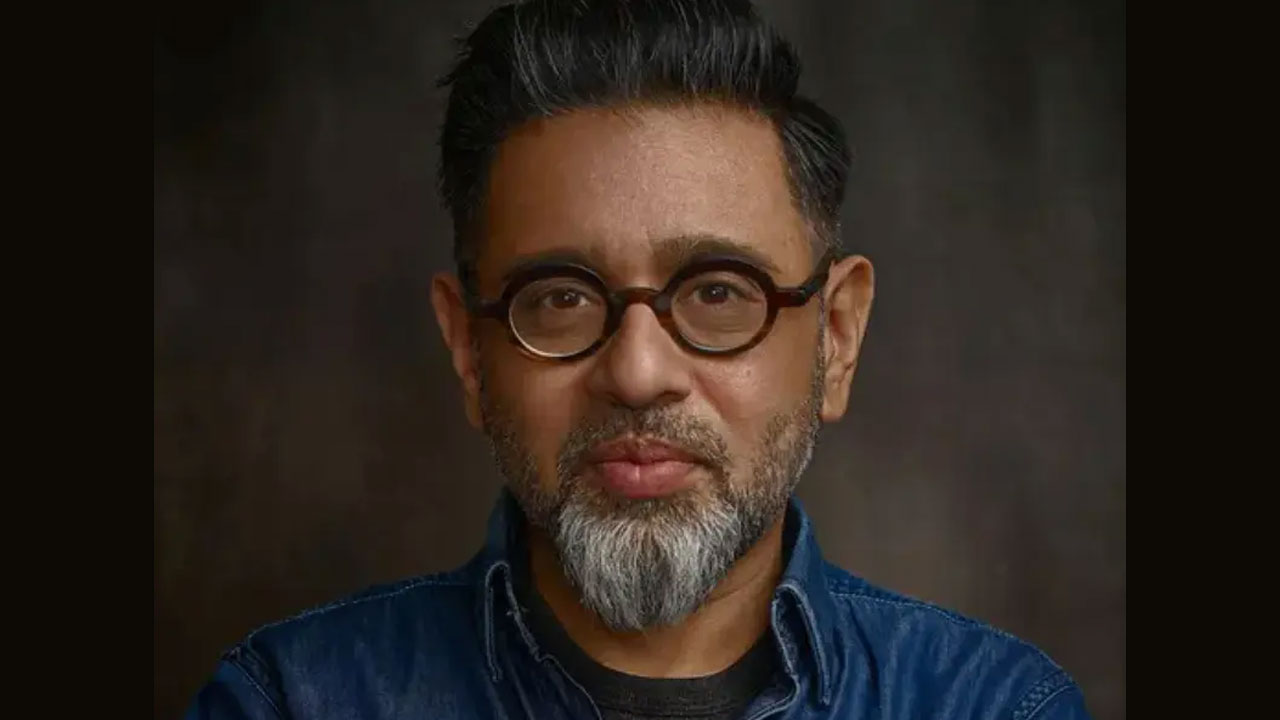
North America, USA: Indian American labor organizer and human rights strategist Saket Soni has been named among TIME’s 2026 Trailblazers, a list recognizing leaders whose work is helping shape the future across various fields.
Soni, founder and executive director of Resilience Force, is being recognized for his efforts to advocate for and protect the workforce responsible for rebuilding American communities following hurricanes, floods, wildfires and other climate-related disasters.
His work in disaster recovery began in the aftermath of Hurricane Katrina in 2005. As hundreds of thousands of residents left New Orleans following the devastating storm, Soni moved to Louisiana to support workers involved in cleanup and recovery efforts.
At the time, Soni was a young community organizer working with renters in Chicago, many of whom were Black and originally from the South. He said he experienced the impact of Katrina through the people he worked with.
“I watched Katrina unfold in their living rooms through their eyes,” Soni told TIME.
In Louisiana, Soni found a mentor in historian and activist Vincent Harding, who had counseled Martin Luther King Jr. Harding’s view of America as a country that was still being built influenced Soni’s approach to his work.
“He always told me that America is a country that is still being born,” Soni said. “This is a place that’s still being built, and you’re part of building it.”
That philosophy has continued to guide Soni’s work. In 2017, he co-founded Resilience Force, a nonprofit organization focused on protecting the rights, safety and working conditions of people involved in disaster cleanup and reconstruction.
The disaster-recovery workforce includes a significant number of immigrants, including undocumented workers, and is estimated to comprise hundreds of thousands of people. With extreme weather events becoming more frequent and severe, the need for workers capable of repairing damaged homes and restoring communities has continued to increase.
Resilience Force provides legal advocacy for disaster-recovery workers and works with contractors to improve wages and workplace safety. The organization also operates a certification program that equips workers with technical and safety skills for hands-on jobs, including roof repairs.
The nonprofit connects trained workers with employment opportunities and has expanded its model across states including Louisiana and Colorado. Its internal operations are supported through philanthropic funding, while the organization provides free assistance to uninsured homeowners when resources allow.
Soni has repeatedly emphasized the importance of disaster-recovery workers in helping communities recover and enabling displaced residents to return home.
“Go to any fire- or hurricane- or flood-hit town in America, and you’ll see the labor shortage,” Soni said. “Even if the money comes, if the workers aren’t there to repair, then people won’t be coming home.”
His work also addresses issues connected to climate change, housing shortages, labor shortages and immigration. As communities face increasingly complicated recovery challenges, Soni has advocated for strengthening the workforce responsible for rebuilding affected areas.
Soni recalled an incident involving a conservative Florida family whose home was damaged by Hurricane Michael. The family had lost electricity and suffered roof damage. A sign outside the property warned, “Strangers will be shot.”
Despite the warning, Soni arrived with a team of Resilience Force workers, many of whom were immigrants, and helped rebuild the home. The family eventually removed the sign.
“Everybody’s focused on how polarized the country is,” Soni said. “I see the opposite.”
Soni has previously received national recognition for his work. USA Today profiled him as an “architect of the next labor movement.” He was also selected as an Aspen Institute Fellow for 2022-23 and named among Fast Company’s Most Creative People in Business for 2022. His work was also featured in a major New Yorker profile in 2021.
The inaugural TIME 2026 Trailblazers list includes leaders working across areas such as technology, architecture, health, housing and climate resilience.
Other individuals recognized on the list include Aicha Evans of Zoox, architect Bjarke Ingels, Paralympic gold medalist and BioDapt founder Mike Schultz, and Jason Ballard, CEO of ICON, a company developing 3D-printed homes.