Pittsburgh, Pennsylvania, USA: Launched in 2024, the annual lecture rotates through the six departments of the Swanson School of Engineering and highlights progress in bioengineering, energy, and environmental sciences.
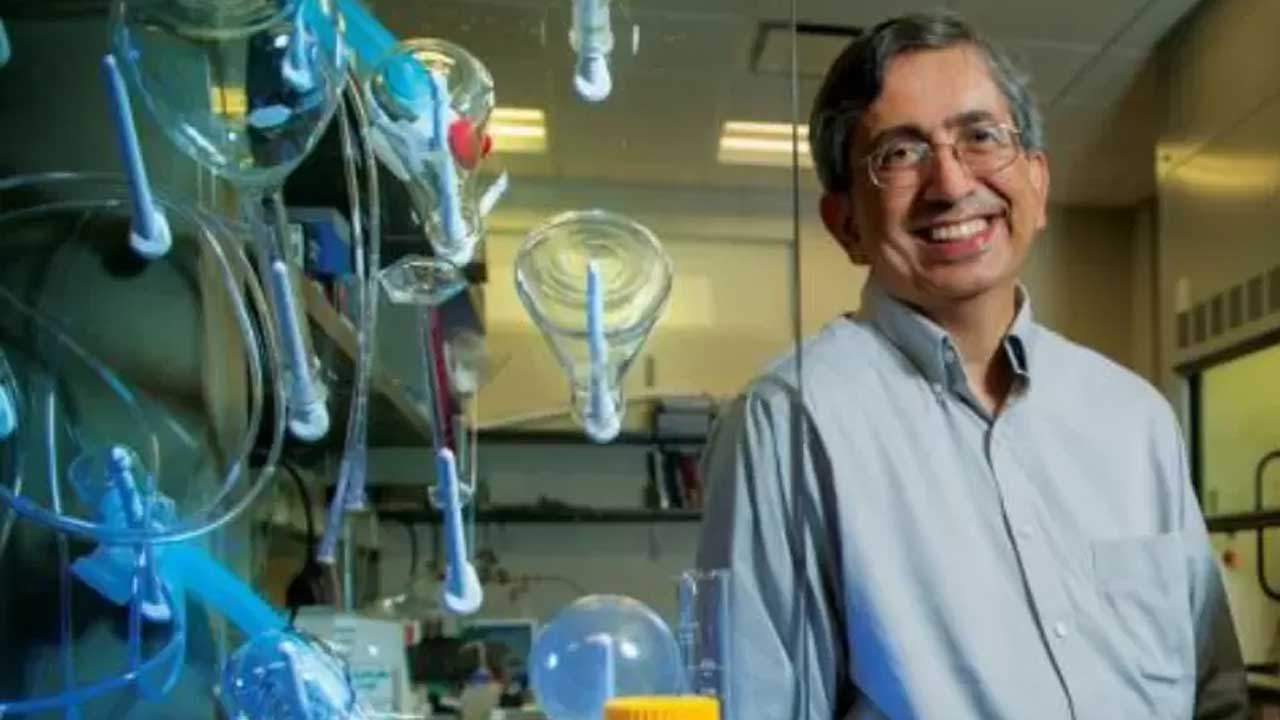
Professor Vijay John, of Indian origin, is scheduled to deliver the 2025 Gerald D. Holder Distinguished Lecture at the University of Pittsburgh’s Swanson School of Engineering on October 17 at 9:30 a.m.
Currently holding the Leo S. Weil Professorship in Engineering at Tulane University, John will speak on innovative self-assembly approaches in environmental cleanup and targeted drug delivery.
The lecture, titled “Targeted Delivery through Self-Assembly in Environmental Remediation and in Drug Delivery,” will explore research applications ranging from controlling toxic algal blooms to improving the accuracy of therapeutic delivery methods.
Organised by Pitt’s Department of Chemical and Petroleum Engineering under the guidance of Professor and Vice Chair for Research Robert Enick, the event celebrates the legacy of dean emeritus Gerald D. Holder, who led the university’s engineering programs from 1996 to 2018.
Funded through a gift from Diane P. and Gerald D. Holder, the annual lecture, initiated in 2024, continues Holder’s vision by rotating among the six departments of the Swanson School and emphasising cutting-edge advancements in bioengineering, energy, and environmental sciences—fields that helped elevate the school into the top 25 public engineering programs in the United States.
John, who completed his doctoral studies under Holder at Columbia University, brings decades of research experience to the lecture. He received his B.Tech. from the Indian Institute of Technology Madras in 1976, his M.S. from Pennsylvania State University in 1978, and his D.Eng.Sc. from Columbia University in 1982.
Later in 1982, John joined Tulane University, focusing his research on nanoscale carriers engineered for precise chemical and drug delivery.
His work utilises self-assembly, a process in which molecules spontaneously form organised structures, to develop practical solutions for environmental and biomedical challenges.