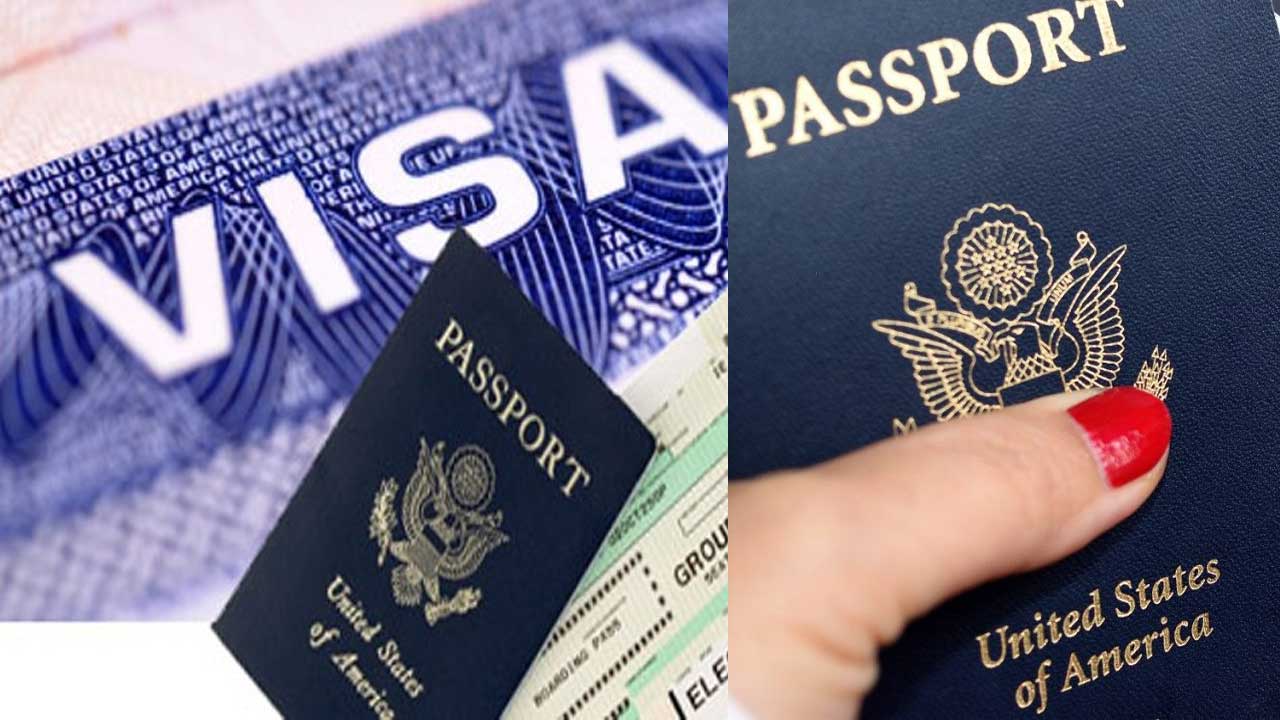
Washington, D.C, USA: For the first time in nearly 25 years, the number of Indians going to the US has come down drastically. With the arrival of Trump as president of the UNITED States, visas have become difficult. The situation is believed to have arisen due to reasons such as strained relations between the two countries.
According to the National Travel and Tourism Data (NTTO) of the Us (USA) Department of Commerce, 2.1 lakh Indians visited the US (USA) in June this year. However, in the same month last year, the figure stood at 2.3 lakh. There has been a decline of 8 per cent. In July too, there was a decline of 5.5 per cent over the previous year.
Not just from India. NTTO statistics show that the arrival of international travelers to the UNITED States (USA) as a whole has also declined. Non-U.S. citizens' arrivals in total visitors declined by 6.2 per cent in June compared to a year ago. It fell 7 per cent in May, 8 per cent in March and 1.9 per cent in February. In January alone this year, the number of international visitors to the US increased by 4.7 per cent and in April by 0.7 per cent.
India is the fourth largest source of the us (USA) international tourist market. Mexico and Canada are competing with countries that share a land border with the United States. If so.. Us tourism giants, however, seem to think it's too early to fault trump's proposed tough visa rules right now. However, if the situation continues, it should be doubted. There are about 50 lakh Indians living in the US. According to NTTO statistics, the number of visitors to India has been increasing in June from the year 2000 to 2025. The decline was recorded only this time.
Travel agencies say the drop in student visas, in particular, has been huge. These are due to delays. Apart from the students, a large number of visitors from India come to the US (USA) to meet their friends and family members and for business. The US is not at the top of the list of countries where Indians prefer to spend holidays. North America is followed by Southeast Asia, Central Asia and Europe.