Washington, D.C., USA: The newly nominated U.S. envoy will oversee a wide brief covering 12 nations, stretching from Afghanistan to Kazakhstan — a region where India’s interests are closely tied.
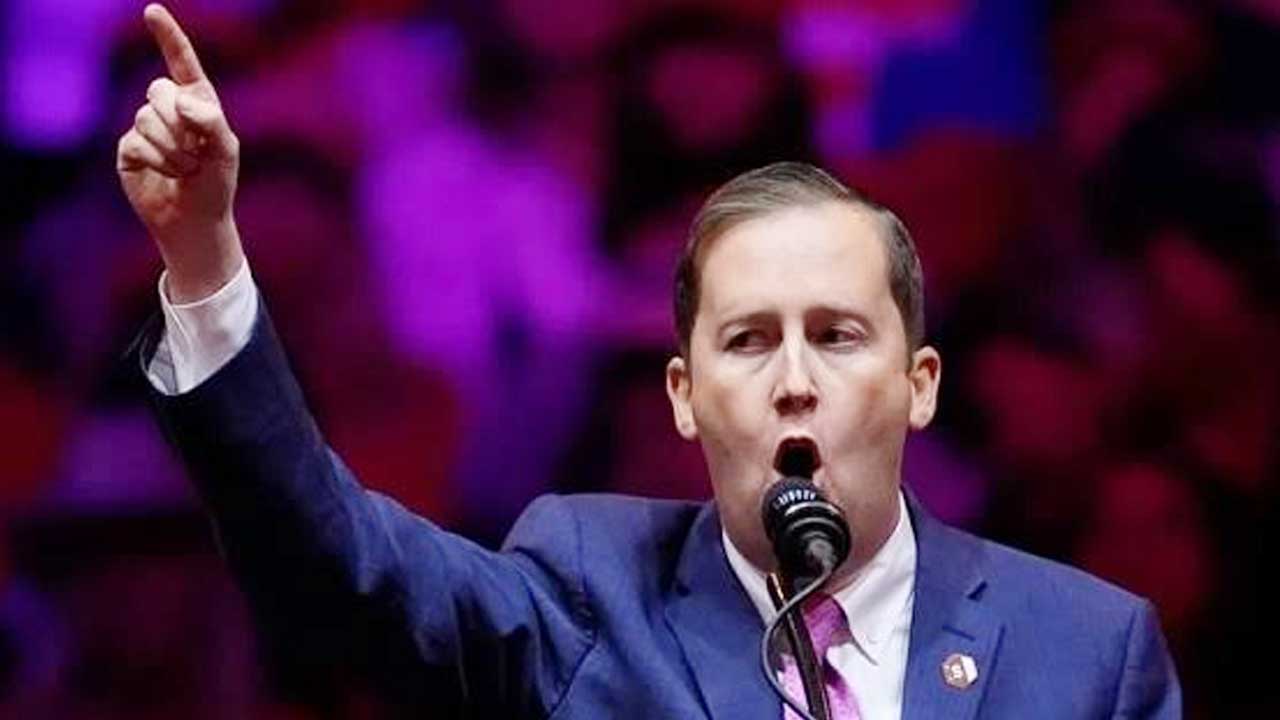
Sergio Gor, chosen by former U.S. President Donald Trump to serve as Ambassador to India, clarified before Senators that his additional role as Special Envoy for South and Central Asia is intended to “strengthen, not diminish” the work of other ambassadors, while reaffirming that India would remain his central responsibility.
Appearing before the Senate Foreign Relations Committee, Gor assured lawmakers that his dual title would not lessen his focus on New Delhi. “I’m not being appointed as ambassador to 12 countries,” he explained. “I am nominated to be Ambassador to India. The envoy role is meant to support the ambassadors already in place across those 12 nations.”
Concerns in Senate Hearing
His remarks followed questions from the Committee Chair, who pointed to earlier cases such as Tom Barrack, who acted as a White House envoy for Turkey, Syria, and Lebanon. The Chair cautioned that Gor could encounter similar challenges in Central Asia.
Direct Access to the President
Gor stressed that the envoy position gives him a unique advantage: the ability to take urgent matters directly to the Oval Office. “Alongside other envoys, I have direct access to the President of the United States and can elevate issues to that level,” he said. “My role is to complement existing ambassadors, not undermine their work.”
He likened his function to a safety net: “If challenges arise from posts in the region or from the White House itself, I will have the authority to step in and address them.”
India as the Anchor
Despite the broader regional portfolio, Gor repeatedly linked his mission back to India. Calling India “a strategic partner whose future will shape not only the region but the world,” he vowed to enhance defence ties, promote trade, and expand technological partnerships. He underlined that U.S.–India relations are “among the most vital our country has anywhere.”
Secretary of State Marco Rubio, who backed Gor’s nomination during the hearing, echoed this view: “Having an ambassador in India with direct access to the President is crucial.”
Pakistan Question
Lawmakers also pressed him on how he would manage regional flashpoints, particularly Pakistan. Gor declined to go into detail, saying, “My nomination is as ambassador to India. That said, this President is deeply engaged in efforts to foster peace globally, regardless of geography.”
Regional Mandate
As Special Envoy, Gor’s remit covers 12 countries from Afghanistan to Kazakhstan, an area where India itself plays a significant role. By combining the India ambassadorship with the regional envoy position, Washington signals that it views New Delhi as a central player in its South and Central Asia strategy.
Implications for New Delhi
For India, Gor’s statements carry two clear takeaways: first, that India will remain his primary focus; second, that in moments of regional tension, he will have direct access to the U.S. President.
This unusual dual responsibility — as Ambassador to India and as a regional envoy — highlights Washington’s evolving view of India as not just a key bilateral partner but as the cornerstone of its wider Asia policy.