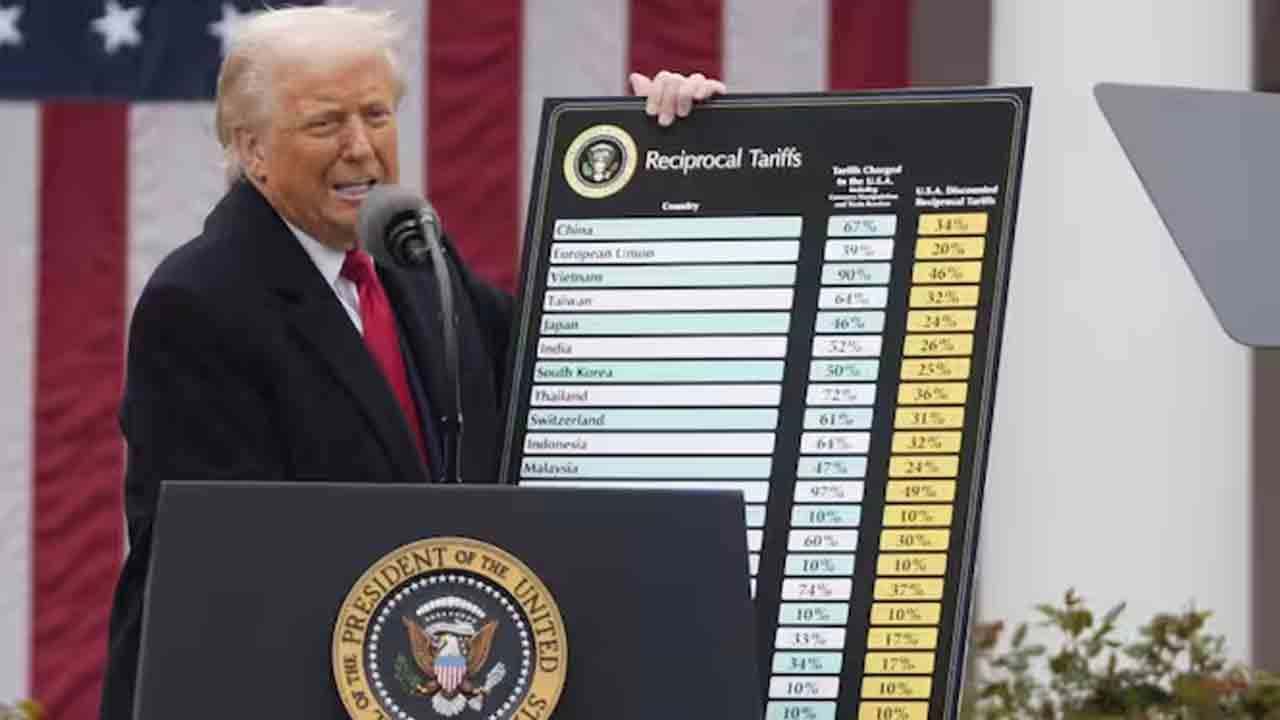
Using emergency powers, former U.S. President Donald Trump had imposed tariffs on imports, which were initially blocked by a U.S. federal court. The court ruled that Trump did not have the authority to impose such broad tariffs on every country. However, in a recent development, another U.S. court has ruled in favor of Trump regarding these tariffs.
The Trump administration appealed the earlier federal court ruling. Upon reviewing the appeal, the court ruled in favor of Trump and suspended the lower court's judgment. The court has instructed the plaintiffs to respond by June 5, and the administrative authorities to reply by June 9.
During his second presidential term, Trump took bold decisions including imposing large-scale tariffs on several countries under the name of "Liberation Day." However, he faced a major setback when the U.S. Trade Court blocked the implementation of these Trump tariffs. The court clarified that a president can only impose international economic sanctions under emergency conditions, and Trump's actions were seen as exceeding his authority. The U.S. Court of International Trade in New York ruled this after hearing numerous lawsuits, rejecting the Trump administration’s argument that referred to India-Pakistan tensions.