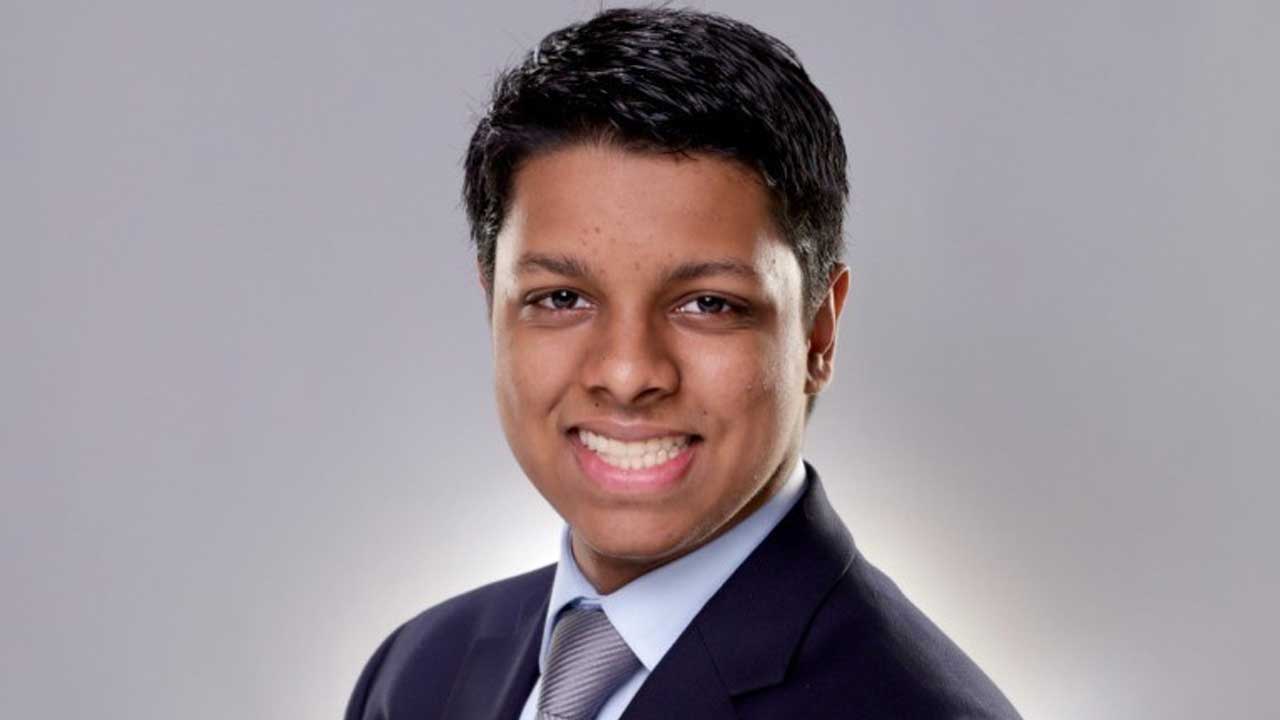
Los Angeles, CA, USA: A 20-year-old biomedical engineering student at the University of Southern California (USC) is transforming the way pediatric cancer treatments are planned, helping doctors make faster, more precise decisions at Children’s Hospital Los Angeles (CHLA).
Arjun Karnwal, a biomedical engineering major at USC’s Alfred E. Mann Department of Biomedical Engineering, has designed an innovative software tool called ShotCaller. This algorithm-driven program assists radiation oncologists in creating intricate treatment plans for children battling cancer.
Typically, doctors using spatially fractionated radiation therapy (SFRT)—a technique that delivers high radiation doses to specific “hot spots” within a tumour while protecting surrounding healthy tissue—spend hours manually calculating the optimal arrangement of these regions. Karnwal’s ShotCaller automates this process, performing the same calculations in just minutes, a task that previously could take up to two hours.
According to USC’s Viterbi School of Engineering, ShotCaller leverages randomised simulations and optimisation algorithms to pinpoint the most effective configuration of radiation “hot spots.” This ensures accurate targeting while adhering to strict safety standards. Currently, the software is in use at both CHLA and USC’s Norris Comprehensive Cancer Centre.
By dramatically reducing planning time, ShotCaller allows clinicians to develop treatment plans on the same day—an important advancement in hospitals where rapid decision-making is vital for patient care. CHLA oncologists note that this tool not only streamlines workflow but could also enhance treatment outcomes for young cancer patients.
Karnwal has showcased his work at leading medical and engineering conferences, including the annual meeting of the Radiosurgery Society. Experts hail it as a prime example of how computational modelling can improve efficiency and precision in oncology.
Medical professionals caution, however, that while early results are promising, further testing and validation are required before ShotCaller can be widely implemented. Integrating such tools into hospital systems also demands regulatory approval and real-world evaluation.
“It’s incredibly rewarding to see that something I developed is helping doctors save time and help patients,” Karnwal said in a statement released by USC.