U.S. Introduces Visa Bans on Foreign Nationals Involved in Censorship of Protected Speech
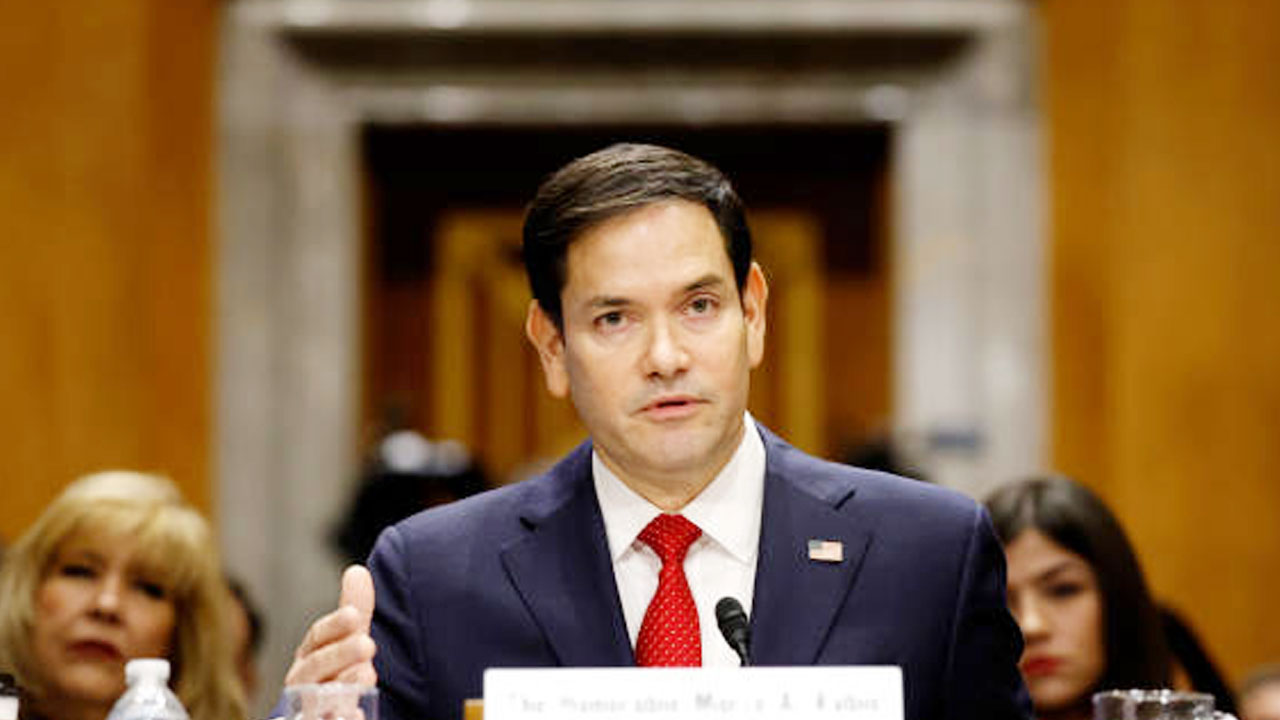
Washington, D.C., USA: I a significant move to defend freedom of expression, U.S. Secretary of State Marco Rubio announced a new visa restriction policy targeting foreign nationals who engage in censorship of speech protected under American law.
The policy, unveiled on May 28, will deny U.S. entry to individuals involved in suppressing Americans' free speech, particularly through pressure on U.S.-based technology companies. Rubio said the move aims to counter foreign attempts to impose global content controls that infringe on rights within the United States.
“From Latin America to Europe and beyond, the U.S. will no longer stand idly by as others work to erode Americans' rights,” Rubio declared in a statement shared on social media.
Though specific cases were not mentioned, Rubio condemned efforts by foreign authorities to issue arrest warrants or coerce tech firms like Meta or X (formerly Twitter) into removing content created in the U.S. He warned against what he called “authoritarian censorship” efforts that overstep legal jurisdictions and impact American citizens and companies.
Tensions over content moderation have been escalating, especially between the U.S. and European nations. Rubio and other Trump administration officials have criticized the European Union's Digital Services Act (DSA), claiming it restricts free expression. In contrast, EU officials argue the legislation is necessary to combat harmful online content such as hate speech and child exploitation.
Earlier this year, Vice President JD Vance echoed similar sentiments in Paris, calling global content regulation efforts a threat to democracy. In April, Rubio disbanded a State Department unit tasked with countering foreign disinformation, claiming it was promoting censorship and wasting taxpayer money.
Rubio concluded that the issue of free speech remains central to U.S. foreign policy and will feature prominently in ongoing dialogues with allies, including the European Union and the United Kingdom.
The new visa restrictions mark a toughened stance from Washington, signaling that actions perceived as infringing on American constitutional rights, even by foreign actors, will have tangible consequences.