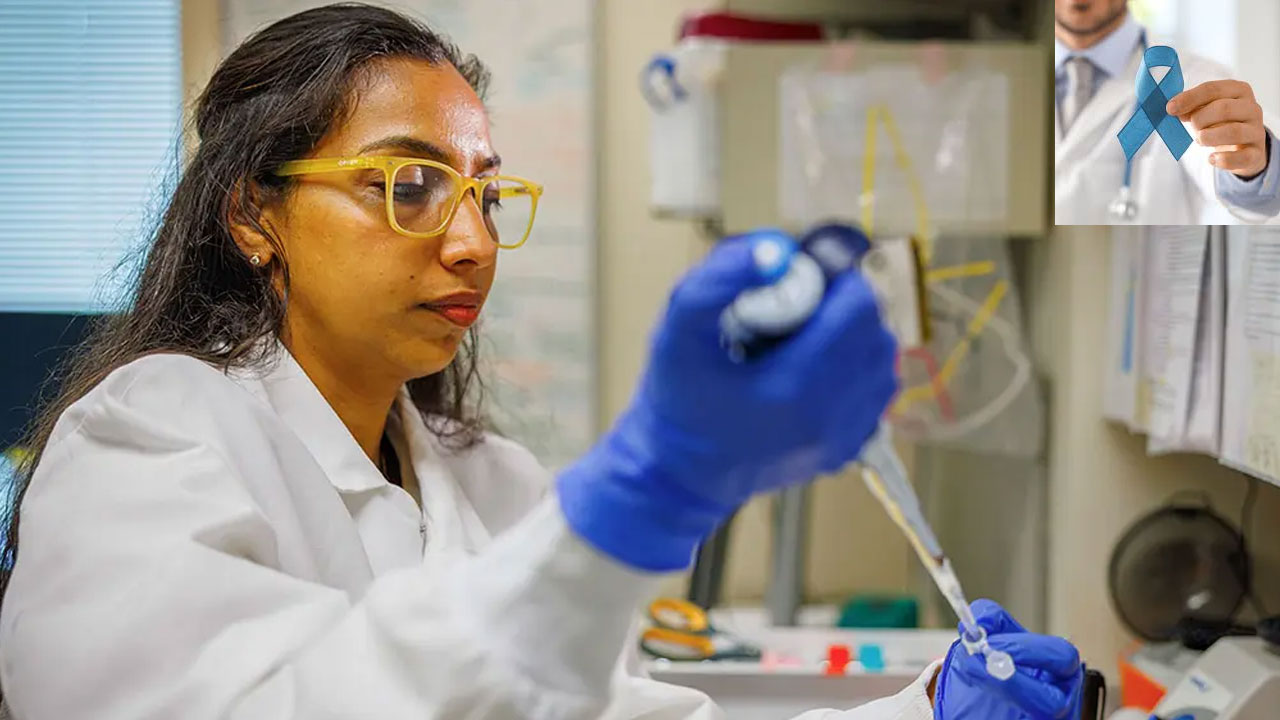
Seattle, Washington, USA: Researchers at Fred Hutch Cancer Center, including Indian-origin postdoctoral researcher Dr. Rashmi Mishra, have discovered a molecular switch that helps prostate cancer rapidly change its biological identity to evade therapy. The researchers also identified a potential way to reverse the process.
The study, led by Fred Hutch prostate cancer expert Andrew C. Hsieh and Mishra, provides new insight into how cancer cells use a biological process known as translation to rapidly alter their identity and escape treatment.
Published in The Journal of Clinical Investigation, the study reveals how prostate cancer can quickly change its biological characteristics to evade therapy without undergoing the more complex process of reprogramming its DNA.
The findings focus on a phenomenon known as lineage plasticity, in which cancer cells substantially change their biological identity to survive treatment.
Lineage plasticity normally plays an important role during embryonic development, allowing early and flexible cells to develop into specialized brain, muscle, blood, bone and organ cells. However, cancer can exploit this biological flexibility to alter its identity and evade therapy.
This cellular “shapeshifting” can contribute to drug resistance and the spread of cancer to other tissues.
Hsieh and Mishra found that the same mechanisms aggressive prostate cancer cells use to escape treatment could potentially be turned against them. By targeting these mechanisms, researchers were able to force the cancer cells to shift back toward a form that may be more responsive to treatment.
“This is the first time anyone's ever shown that the identity of the cell can be regulated by inhibiting translation,” Hsieh said.
The discovery could open a new avenue for developing treatments against aggressive prostate cancer and may also have implications for breast cancer and potentially other cancers.