Washington, DC, USA: US immigration policies for non-immigrant visa holders have become significantly more restrictive, leading to longer interview delays, tighter rules on where visa stamping can be completed, and broader monitoring of applicants online. An immigration law expert has cautioned that these developments may seriously affect international travel and employment prospects for thousands of foreign workers, many of whom are Indian nationals.
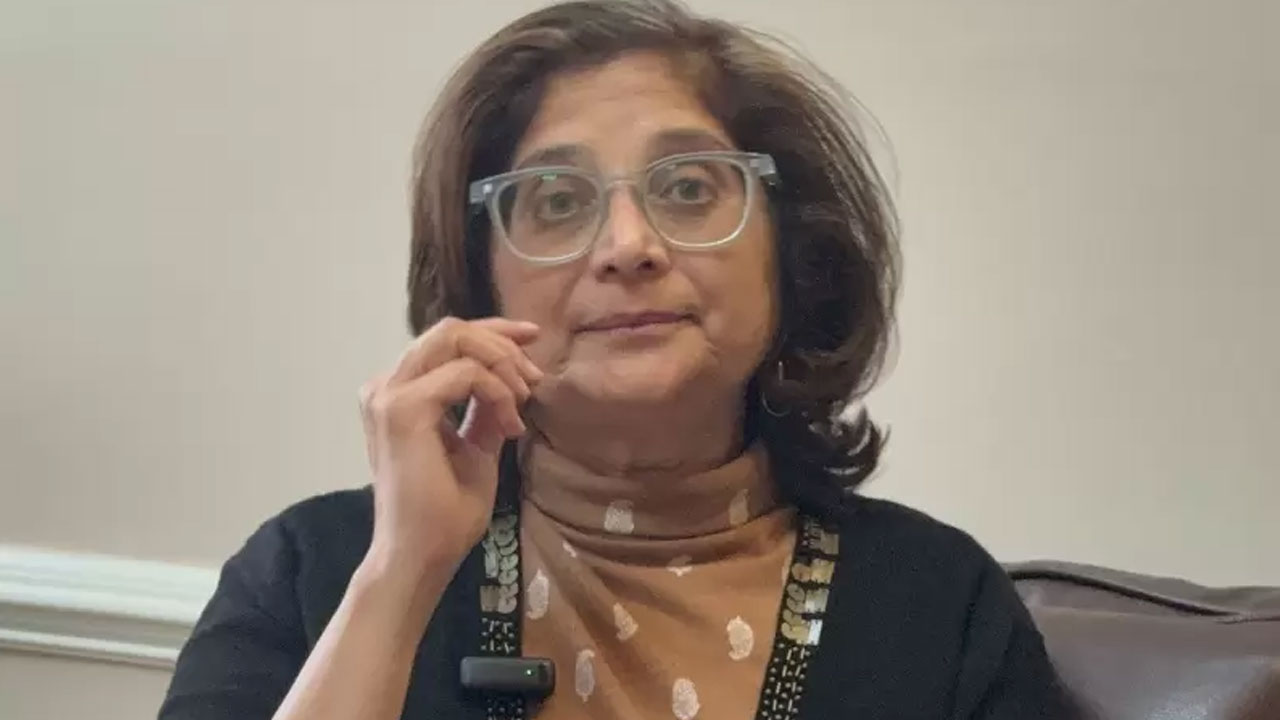
Renowned US immigration lawyer Aparna Dave stated that applicants across multiple visa categories, including H-1B, F-1, and J-1, are already experiencing the impact. US consulates have begun postponing previously confirmed interview appointments as officials carry out deeper background screening.
Dave advised visa holders to avoid unnecessary travel. “If there is no urgent reason or emergency, remaining inside the United States is the safest option right now,” she said in an interview with IANS, emphasizing that overseas travel has become increasingly risky even for individuals holding valid visas.
According to Dave, recent regulatory changes have effectively brought an end to the long-established practice of applying for US visa stamps in countries other than one’s own. She explained that applicants must now seek visa stamping either in their country of residence or in their country of citizenship. Those who previously relied on appointments in places such as Canada or Mexico may now encounter major challenges.
She also drew attention to the expansion of social media screening. Dave said the US government has asserted its authority to review visa applicants’ online activity and may require social media profiles to be publicly accessible. “Social media checks will be conducted for everyone,” she noted.
These additional screening measures have already disrupted processing schedules. Dave said interviews planned for December and January have been widely delayed because consulates need extra time to thoroughly review applicants.
She warned that complications do not stop after visa approval. At ports of entry, US Customs and Border Protection officers are authorized to inspect travelers’ phones and social media accounts. Although entry may still be granted, extended questioning or secondary inspection can cause serious delays that may interfere with employment or immigration status. “In many cases, the risk simply outweighs the benefit,” she said.
Dave also clarified a common misunderstanding among visa holders regarding visa expiration and lawful presence. She explained that a visa only allows entry into the United States, while the I-94 record determines how long a person can legally stay. Even if a visa has expired, an individual may lawfully remain in the country if their status has been properly extended through the I-94.
Only those who leave the United States and seek re-entry are required to obtain a new visa stamp. “There is no need to travel abroad for visa stamping unless travel is absolutely necessary,” she added.
Regarding enforcement, Dave acknowledged that many details remain unclear. Authorities have not yet specified how social media reviews will be conducted or what type of content could be flagged as a concern. She noted that definitions related to national security issues have not been clearly outlined, as the policy is still in its early stages.
For Indian nationals and their families, Dave urged discretion. She recommended maintaining a low profile and avoiding social media posts related to political or religious topics, stating that such caution may help reduce unnecessary scrutiny.
Addressing reports of a new $100,000 application fee for H-1B visas, Dave explained that the proposal applies only to individuals entering the United States for the first time and receiving their visa stamp abroad. Those already present in the country would not be subject to the fee.
She further clarified that employers sponsoring candidates who are outside the United States would be responsible for paying the cost. Any employer filing an H-1B petition for a worker abroad would need to cover the $100,000 fee for that application.
While discussions about increasing prevailing wage requirements for H-1B workers have taken place, Dave said no official changes have been implemented so far. Additional guidance is expected closer to the March H-1B lottery period.
Indian nationals make up the largest share of H-1B and F-1 visa holders in the United States, particularly in sectors such as technology, healthcare, and higher education. In recent years, visa delays, enhanced security screening, and travel-related disruptions have increasingly affected Indian students and professionals.
The H-1B program, which is subject to an annual cap set by Congress, remains one of the primary pathways for skilled foreign workers, especially from India. As a result, any tightening of travel rules, vetting procedures, or financial requirements is closely monitored in both Washington and New Delhi due to its potential impact on jobs, education, and family mobility.